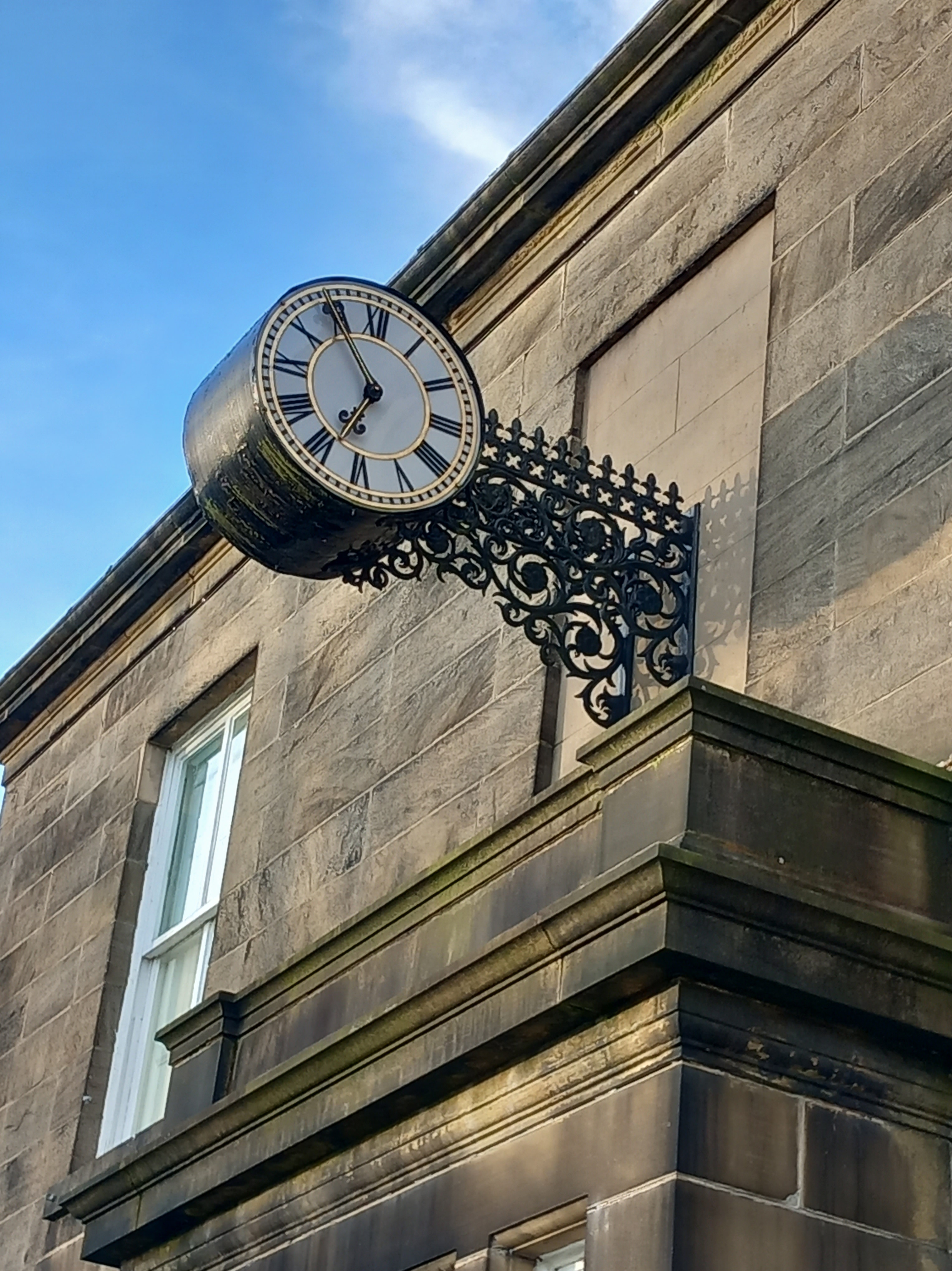
The museum now known as the Whitaker was built as a family home for Major George Hardman in the 1840s. Then named Oak Hill, it overlooked his mill at New Hall Hay, which still stands today. Hardman made his wealth from the cotton and wool textile trade.
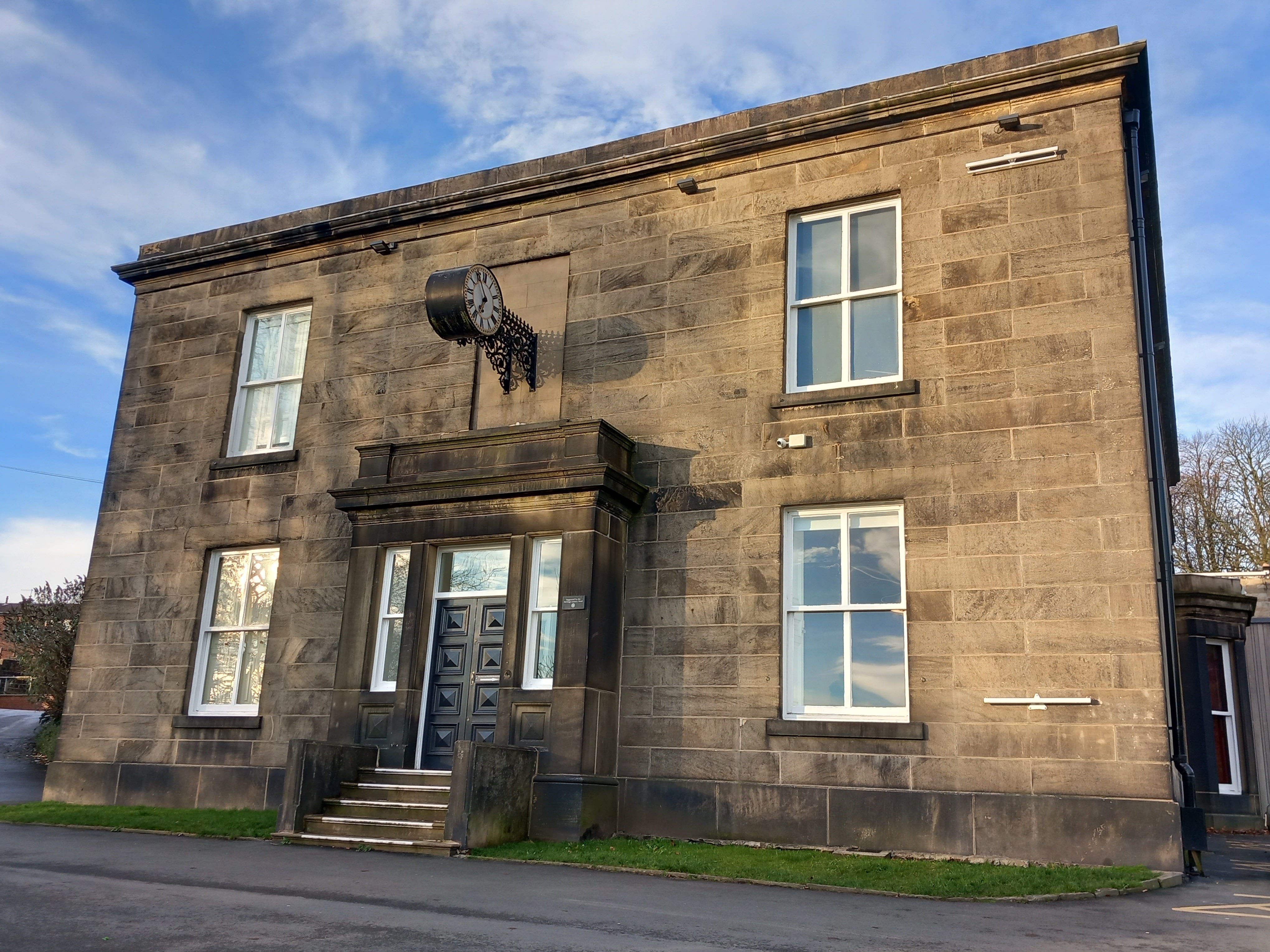
Oak Hill was bought by Richard Whitaker in 1900. Whitaker wanted to create a museum for the “children of Rawtenstall“. He had been born into a large poor family, one of thirteen. At six, he began work in a local mill. He made steady progress, and became a traveller for Howard & Bullough of Accrington, a company that specialised in making textile mill machinery. A promotion led him to travel to Canada, where he managed the Howard & Bullough mills in Montreal. On his return to England he became the company director.
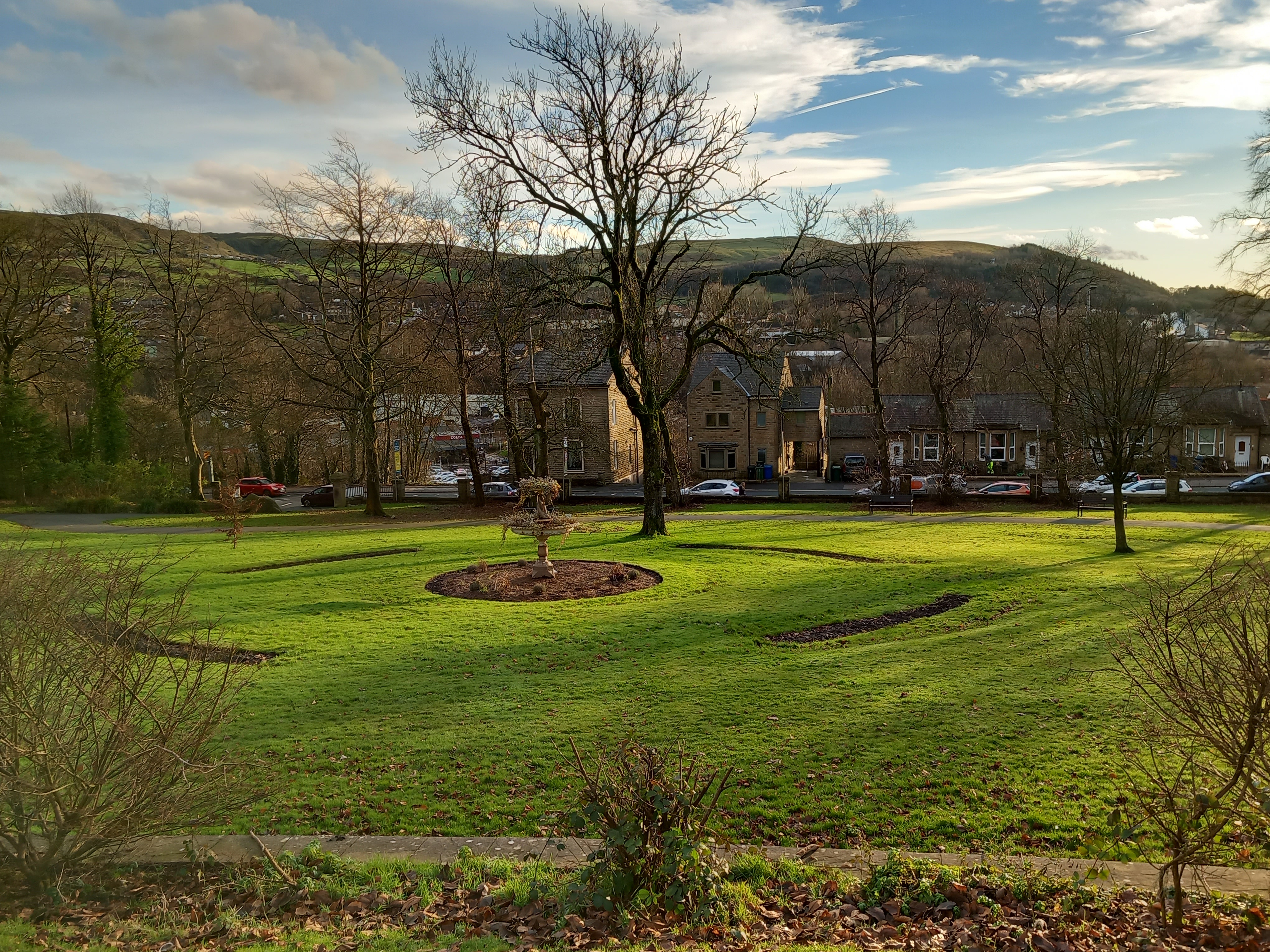
Hugely wealthy, Whitaker was well known for his generosity in the district. Perhaps conscious of his own humble beginnings, he donated money for alms houses and for scholarships, and gave grants to the poor. He had Oak Hill converted into a museum and its grounds extended to create a public park. Both museum and park opened in 1902. Whitaker died four years later while living in retirement at St Annes.
Initial donations of artefacts came from nearby mill owners. Paintings of local industrial scenes and landscapes of the 1800s, along with portraits of wealthy worthies, adorned the gallery section. Some 189 oil paintings were built up as part of its permanent collection.
Like many local museums, there was a tremendous emphasis on taxidermy, with specimens not just from Britain but from the wider world too. From the mid 1800s, a craze had swept the country to produce ‘stuffed’ animals, and many ended up being donated to museums. Birds and mammals from South America, Africa, Asia and Australia were added to the collection. In total, 9000 exhibits of taxidermy were amassed.
Perhaps the most dramatic, inciting awe in some visitors and alarm in others, was a huge piece featuring a Tiger and Python fighting each other. This exhibit was first displayed in 1813 as part of William Bullock’s London Museum. After being donated to Norwich Castle Museum in 1893, it subsequently came to reside at the Rossendale Museum (as the Whitaker was then known). The huge snake was created from two python skins, and its head is made of painted wood. The piece was so famous in its time that it was the subject of a woodcut by Thomas Bewick, one of Britain’s finest wood engravers. A painting of it by Alexandre Isidore now hangs in Paris’s Louvre gallery. The Tiger and Python is still on display at the Whitaker today.
A particular favourite of the taxidermy collection is Nellie the baby elephant. She used to be brought outside in the summer months, to be sat on by children. Much loved, restoration work was carried out on her in the 1960s. Other popular pieces include a young polar bear, orangutan and platypus, all very exotic and a world away from the familiar animals of Lancashire.
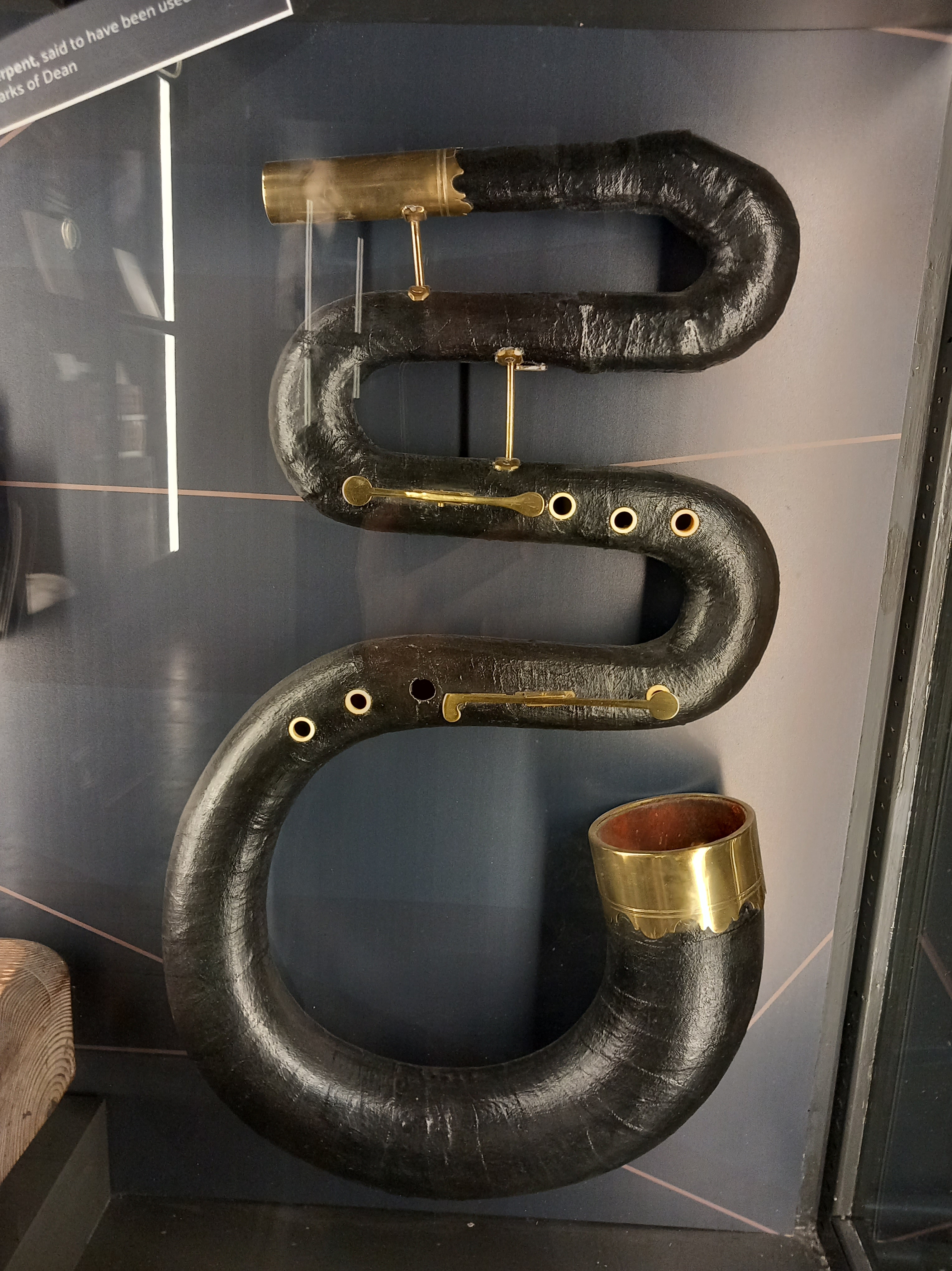
For over a hundred years, Rossendale Museum carried out the work of a traditional local museum. Visitors could come and be inspired by a huge range of historical artefacts of the Rossendale area. These ranged from displays of Middle Stone Age flints found on the nearby moorland, to the instruments and manuscripts of the famed Georgian musical group, the Larks of Dean (see our page on them here).
However, starting in 2010, the new central government of the UK began a series of relentless austerity cuts. In the decade that followed, Lancashire County Council had over £600 million withdrawn from its operating budget by them. In 2016, the council cut all funding from its museums, which meant all were to be closed (for the full story, see our page here). Most eventually reopened after alternative funding was agreed, often involving lengthy and tortious negotiations. Regrettably, the Museum of Lancashire in Preston has remained permanently shut, a damning legacy of the austerity years.
A New Beginning
The funding plight for Rossendale Museum began three years before the big cuts listed above, a foreshadowing of the crisis that would come to all the Lancashire Museums. In the early months of 2013, Lancashire County Council stated they could no longer fund the museum, and no money was forthcoming from Rossendale Council either. With closure immanent, the museum needed an alternative approach.
Jackie and Julian Williams stepped forward, believing they had a solution. They came from a background in social services, working with people that had learning difficulties, and did not have formal museum experience (although they did operate a gallery in their own home). Recruiting Carl Bell, former Head of Community Services at Oldham Council, they applied to set up a Community Interest Company to run the museum. They were given the green light, and in December 2013 their not-for-profit company was able to take over the administration of the building and all its contents. They renamed the museum ‘The Whitaker’ in honour of Richard Whitaker, its original founder.
For over ten years, the team have successfully run the museum. Perhaps at first it was not radically different from how it had been as a town museum, but that was to change. With funding being an issue, the team set about applying for a grant from the National Lottery. Their first bid failed, but they were undeterred and their second was successful. This enabled a huge amount of restructuring to take place, when an award of £2.2 million was granted. Much of the work was able to be done during the Covid lockdowns, starting in March 2020 and taking 18 months to complete. The surrounding barns and sheds were converted to be brought into use, and a new cafe and bar area were constructed. The work effectively doubled the space available to be used on the premises.
During this period, Bob Frith, artist, actor and director formerly of the local Bamboo and Horse Company, was asked to remodel the original Drawing Room of the building. His brief was to make an installation that reflected Rossendale’s and Lancashire’s cultural heritage. He came up with the idea of creating a Cabinet of Curiosities. These were popular Victorian creations, where wealthy owners would show off cultural artefacts from home and abroad, to the wonder of their guests.
Bob chose rarely seen items from the museum’s archives, along with some of his own pieces from his many years in theatre performance. Before entering the space, the visitor sees a large timeline that gives details of events happening in Lancashire from the past 400 years, set against the backdrop of the British Empire. The piece reminds us that industrial Lancashire was built on the labour of women, men and children in the mills, but was also inextricably linked to slavery. By 1850, three quarters of the raw cotton imported to Lancashire was produced by the enslaved people of the southern states of America.
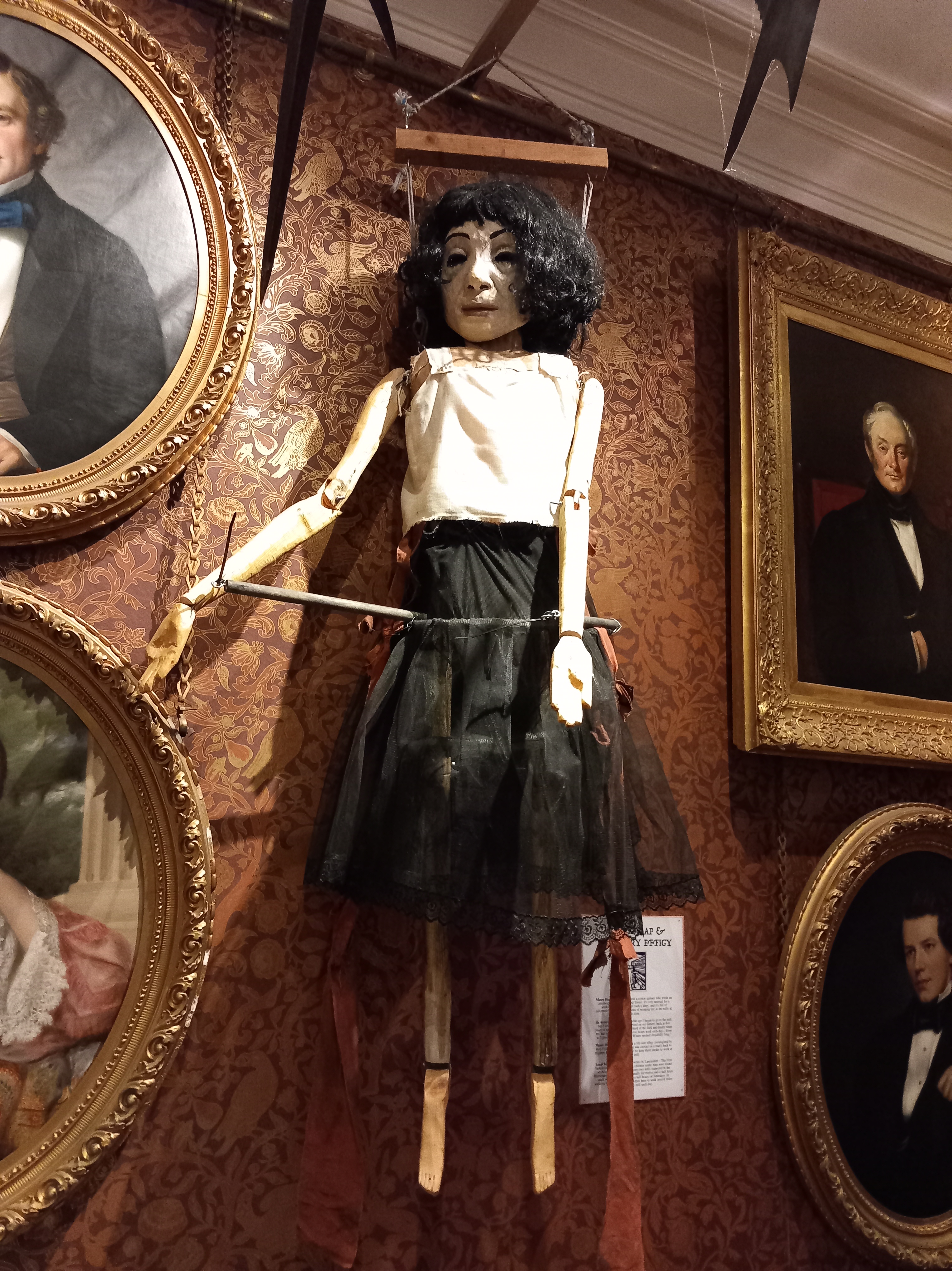
Inside the room, the visitor is presented with items connected with Empire, textiles, and taxidermy in vast number. Every available space displays something of interest. Pertinent to mill life is an item from Bob’s own collection. It is a large puppet he produced as a ‘scary effigy.’ Moses Heap, one of the later Larks of Dean, recorded in his diary that a life size human figure made of cotton was carried on one of the mill overseers’ back, in order to frighten the children that worked at the mill and keep them awake. The one on display is Bob’s re-imagining of such a terrifying creature. Nicola Hebson, a modern alternative taxidermist, has created a stunning and disturbing installation using a Victorian mourning dress, with birds mounted where the head should be. Kay Kennedy and a team of volunteers have created ‘textile plants’ that adorn the room. With dramatic lighting and regular playing of Kain Leo’s Requiem for Stuffed Animals, a visit to the room is an unforgettable experience.
The Whitaker team have recruited 70 volunteers, and seen visitor numbers expand from 7000 a year, when they first took over, to 40,000. Professional heritage curators have been employed, along with a creative director. They are able to oversee changing art exhibition spaces, often giving opportunities for new art graduates to display their work. The lower floor still exhibits taxidermy, and the upper gallery has a range of artefacts from Rossendale history. Artists are also encouraged to use items from the archives in their own work for temporary exhibitions. Family events, history and art workshops, acoustic nights, stand up comedy and film viewing are all regular occurrences. Plans have also been drawn up to improve the local parkland that surrounds the buildings.
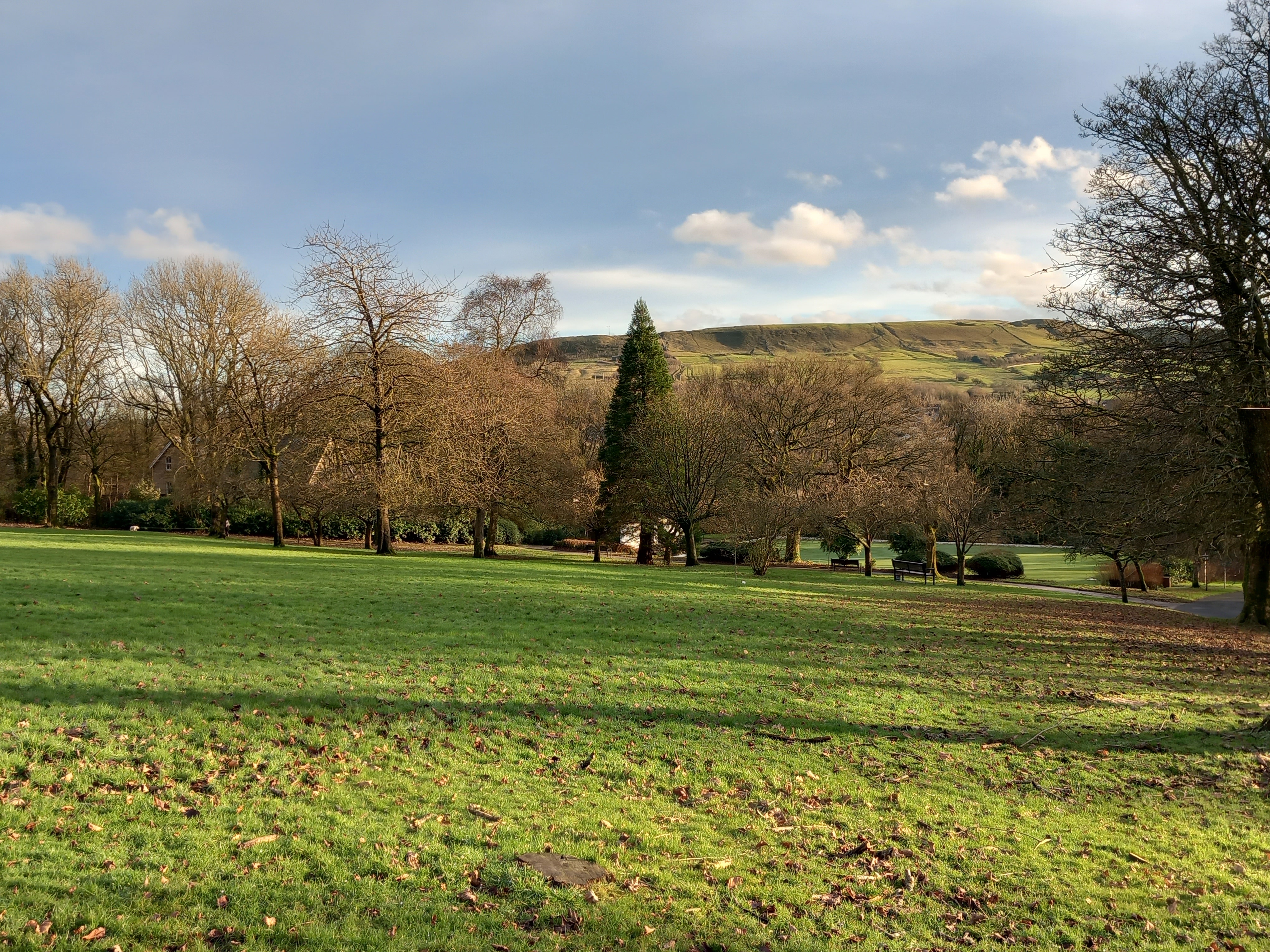
The Whitaker is an excellent museum and gallery, and deserves the support of people from far and wide. It has a well curated shop offering books on art and history, posters and prints. There is a large popular cafe. Entry is free.
Site visited by A. and S. Bowden 2024
Access
Entry to the Whitaker is free of charge. Donations are accepted, and there is a chance to spend money in the shop and at the cafe to help support the museum and gallery.
There is free parking in Whitaker Park, in front of the museum.
Nearby
Goodshaw Chapel and the Larks of Dean
References
thewhitaker.org/about-us/
thewhitaker.org/collections/social-history/
lancashiretelegraph.co.uk/news/10286559.rossendale-museum-close-within-weeks/
sympatheticworks.com/rawtenstall-museum/
lancashiretelegraph.co.uk/news/19905627.120-year-old-rossendale-museum-named-countys-cultural-gem/
lancashiretelegraph.co.uk/news/19465042.whitaker-museum-unveils-spectacular-social-space-people-rossendale/
marketinglancashire.com/news/spotlight/the-whitaker-museum-a-huge-success-for-rossendale/
artsindustry.co.uk/feature/2593-taitmail-the-community-that-wouldn-t-let-its-museum-die
artuk.org/visit/venues/the-whitaker-6217
bobfrith.co.uk/the-whitaker-cabinet-of-curiosities/
northernsoul.me.uk/behind-the-scenes-the-whitaker-museum-art-gallery-rossendale/
museumsandheritage.com/news/the-whitaker-museum-hopes-to-rival-big-city-cultural-offer-after-2-2m-overhaul/
greatbritishlife.co.uk/homes-and-gardens/places-to-live/22614522.whitaker-museum-rawtenstall-centre-local-arts-community/
lancs.live/whats-on/whats-on-news/technicolour-whitaker-park-museum-rossendale-26793785
proffittscic.com/community-projects/whitaker-park-rawtenstall/
newlightmanchester.wordpress.com/2010/11/05/the-reality-of-nature/
http://revealinghistories.org.uk/the-american-civil-war-and-the-lancashire-cotton-famine/
 Lancashire Past
Comments are closed.