At Samlesbury Aerodrome on the morning of March 25th 1952, Thomas Evans prepared to take a Canberra Mk2 on its first ever flight. The airplane was a twin-engine jet-powered bomber, and this design had been introduced by the RAF only the year before. Evans was an experienced pilot, with 2479 hours flying behind him. He had first flown a Canberra over a year before and at the Farnborough Air Show had amazed the crowd with his acrobatics in this type of aircraft. He had even coped with a burst tyre on landing that was caused by a brake seizure.
On the morning in question, he was supposed to fly with his colleague, Thomas Burrell, who was to act as a Flight Test Observer. However, due to a mix up over parachutes from the supply store, he ended up flying alone. Aircraft fitter, John Ball, checked Evans’s parachute beforehand, and strapped him into his seat. The flight was to be a short one, taking the Canberra from English Electric’s Samlesbury Aerodrome to its one at Warton. The weather was good, and the aircraft had been checked over that morning and deemed fit to fly.
At 11.45am, the Canberra took off from Samlesbury, and within five minutes it was seen north of Preston, flying very fast and very low. Then it began to dive steeply downwards. Eyewitnesses said they saw a flash as it hit the ground, forming a large crater in a field. Burning debris was spread over 600 yards.
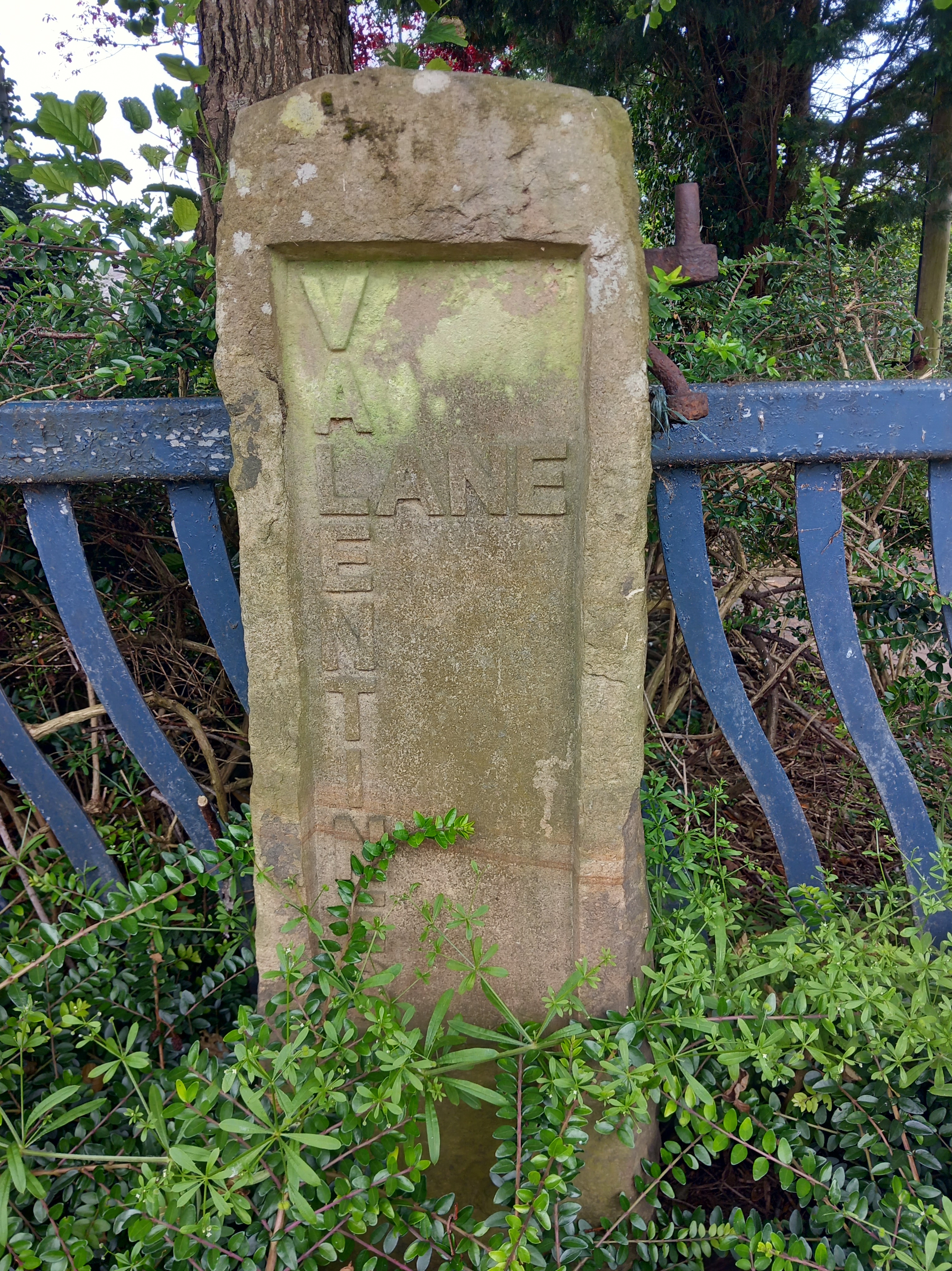
Ambulances and fire engines were soon on the scene, but there was no hope for Evans as he would have been killed on impact. Fortunately, the Canberra had come down in fields that belonged to Merry Trees Farm in Cottam so that there were no other casualties. The only residence nearby was a bungalow on Valentines Lane and this had its windows broken and holes in the roof from the wreckage that had been flung clear. Its resident, a Mrs Billington, was not at home at the time.
The initial inquest was opened that same week. English Electric Chief Test Pilot. Rowland Beamont, stated that he had spoken to Thomas Evans on the morning of the flight. He then testified that he had shown Evans’s signet ring, taken from his body, to his widow as confirmation of his identity. John Ball, the aircraft fitter, also spoke. He confirmed that Evans was in good spirits, and that take-off had been normal.
The funeral took place the following week. Thomas Evans had lived with his wife and three children at Lightburne Avenue, St Annes. A service was held at St Thomas Church in Lytham, with the coffin covered by a Union Jack and accompanied by a wreath in the form of a Canberra Bomber. He was buried at Lytham St Annes Park Cemetery.
In April, the inquest started up again. There was discussion about why the plane had crashed where it did, and why Evans had not deployed his parachute. Flight Lieutenant Squire stated that Evans may have steered the plane to crash in fields, away from nearby housing. If he was not flying high enough, he would not have been able to deploy his parachute. He may have had to choose between saving himself or ensuring the plane would crash where no one could be harmed, and had chosen the latter.
Eyewitness testimony differed. Some people said they had seen black smoke streaming out of the aircraft before it crashed, others only a ‘wisp of smoke’ and then a ‘flash’ as the craft hit the ground. Thomas Duncan, a local air traffic control officer, told Lancashire police that he had been in his living room when he heard the plane approaching. He said the engine was not sounding as rhythmic as it should have been, but was making a ‘burbling’ sound. As it passed overhead, he heard the engine cut out. He exited his house to see black smoke about half a mile a way. He immediately called the Preston Air Traffic Control Centre at Barton Hall. After reviewing the case, the coroner, Mr Blackhurst, decided that there was not enough evidence to state the reason for the crash, and therefore recorded an open verdict.
The Accidents Investigation Branch continued to look for clues as to why the crash had happened. In the aftermath, all the remnants of the Canberra Bomber were collected from the fields and brought back to Samlesbury Aerodrome. There, it was laid out in a hanger and painstakingly examined. Eventually the cause was established, to a degree of reasonable certainty. It seems that a broken box spanner had been caught in a mechanism that would have prevented the movement of the control column (the ‘steering wheel’ of the aircraft). This in turn would have stopped the elevator adjustment from working properly, meaning the plane’s height could not be controlled. This tallies with what eyewitness John Hodgson saw, as he stated that “The plane… seemed to lose height and then straighten out again, then suddenly dive earthwards like a bullet…”
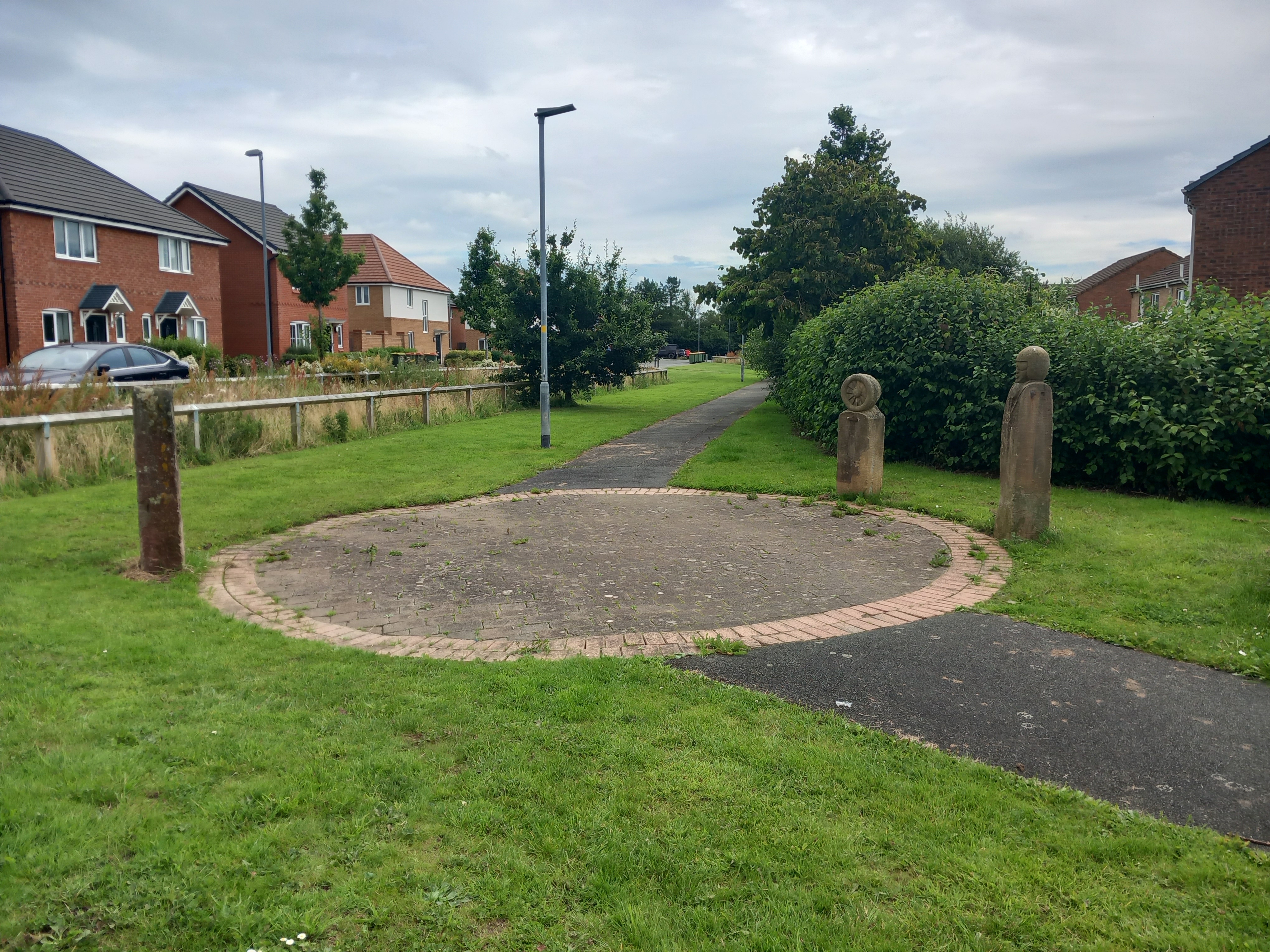
In recent years, the fields around Cottam have been covered by housing development. Lancashire Aircraft Investigation Team worked with the house builders to commemorate the accident. This has resulted in one of the roads off Cottam Way being called Canberra Lane. In addition, sculptor David Cudworth was commissioned to create sculptures in remembrance of the crash. Using the medium of stone gateposts, he has created two sets of sculptures known as the Canberra Bomber Groups.
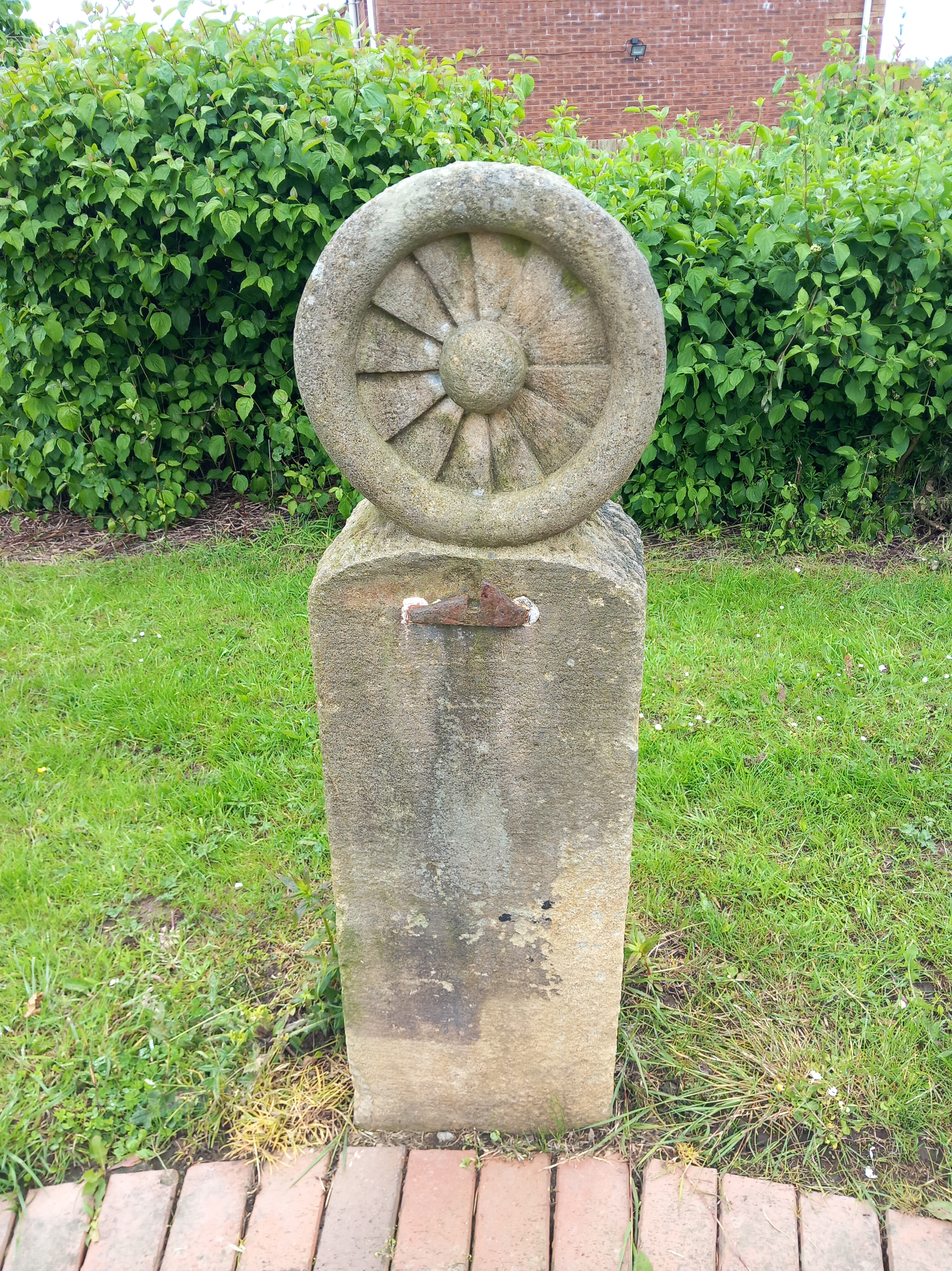
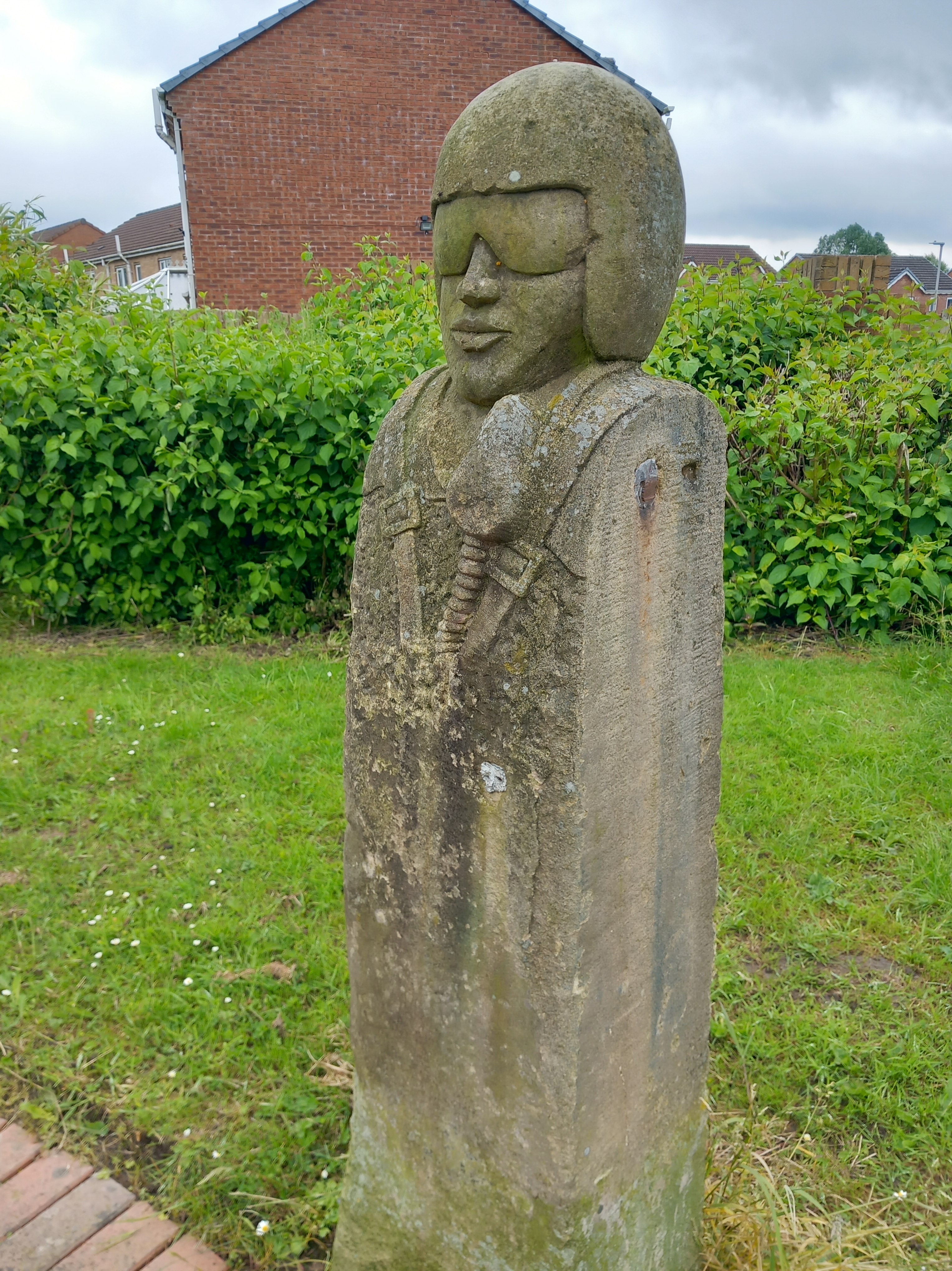
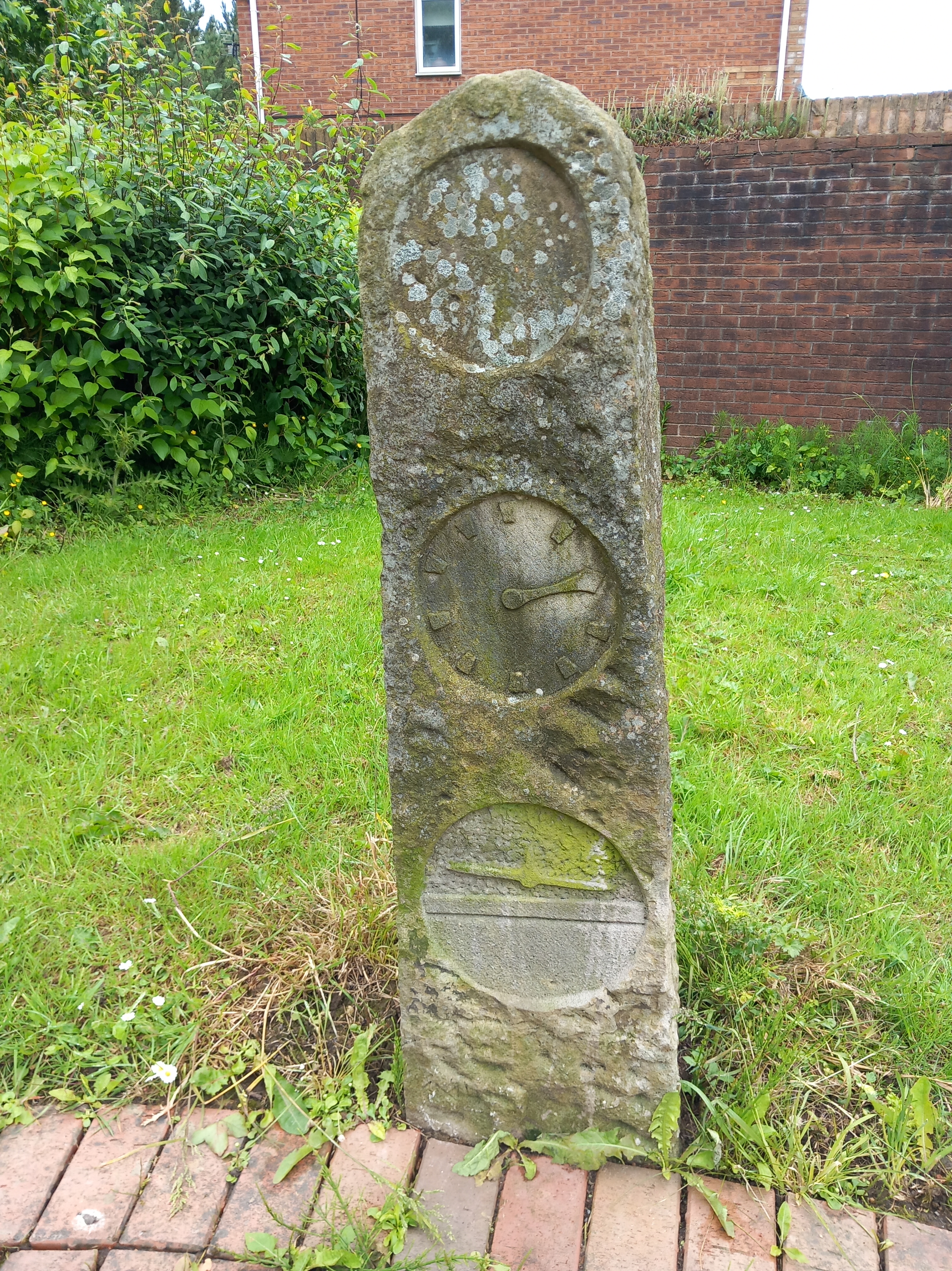
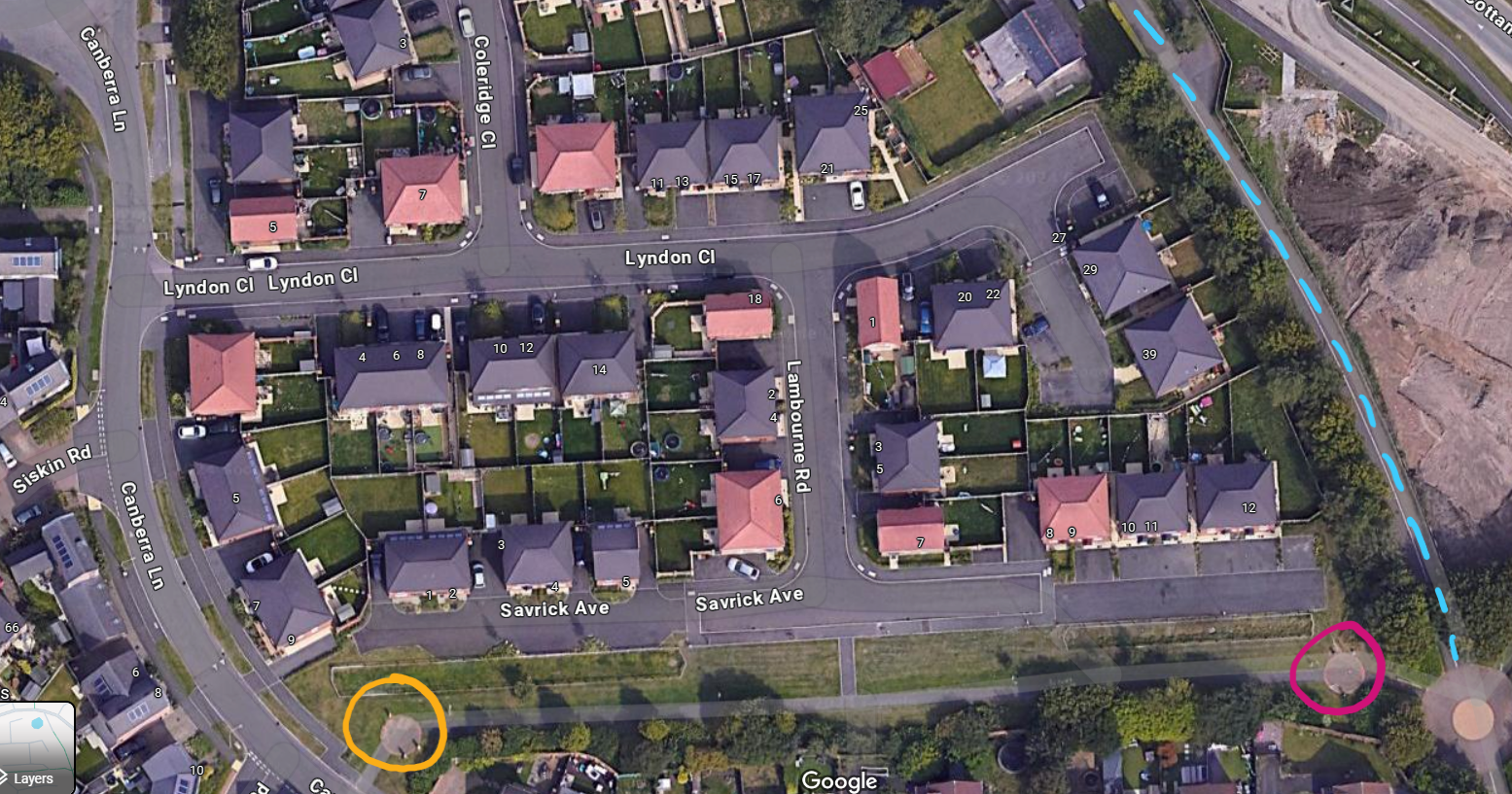
Each consists of three pieces, on three separate gateposts. There is the ‘Pilot’ which depicts a man wearing a flying helmet, goggles, harness and air mask. ‘Jet Engine’ shows the distinctive fan at the front of a such an engine. ‘Dials’ depicts parts of an instrument panel showing three gauges. The first Canberra Bomber Group can be seen on Canberra Lane, where it merges with Dunnock Lane. A minute’s walk away is the second group, by Valentines Lane. This is identical to the first group, except that one of the sculptures has been damaged. Cudworth’s work and the naming of Canberra Lane are a fitting tribute to Thomas Evans, who died close to where the sculptures stand over 70 years ago, at the age of just 29.
David Cudworth’s work using gateposts will be familiar to residents in Cottam. He has created sculptures at the King’s Maze and also at the Cottam Gateway. For more on these Medieval inspired creations, see our page here.
Site visited by A. and S. Bowden 2024
Access
The Canberra Bomber Groups consist of two sets of sculptures carved into three gateposts: Pilot, Dials and Jet Engine. The first set is on Canberra Lane where it turns into Dunnock Lane. A path leads to the second set, which is just off Valentines Lane. Valentines Lane is now a foot and cycle path, and part of the Preston Guild Wheel route. To see the bungalow that was damaged in the crash, turn left just after the Valentines Lane Bomber Group onto Valentines Lane itself. Follow it up to where it meets the main Cottam Way. The bungalow is on the left just before Cottam Way, next to the pond.
There is on-street parking on Canberra Lane and Dunnock Lane. Alternatively, to see all of David Cudworth’s sculptures, park at Cottam Community Centre on Haydocks Lane. The Canberra Bomber Groups can be tagged on to the end of the Cottam Medieval Sculptures trail outlined on our page here.
Nearby
Thompson Dagnall’s Civil War Sculpture
References
lep.co.uk/lifestyle/tragic-air-crash-in-preston-field-668657
asn.flightsafety.org/wikibase/20530
laituk.org/Canberra%20WD991.htm
southwalesguardian.co.uk/news/20114667.thomas-evans-llandeilos-fatal-cottam-crash/
artuk.org/discover/artworks/canberra-bomber-groups-314888
 Lancashire Past
Comments are closed.