Saxon churches are very rare in Lancashire. Most would have been made of wood, and so have been replaced by later Norman or Medieval stone buildings. Remarkably, Heysham has two stone Saxon churches, St Peter’s and St Patrick’s, and the evidence for their early origins can be clearly seen by visiting today.
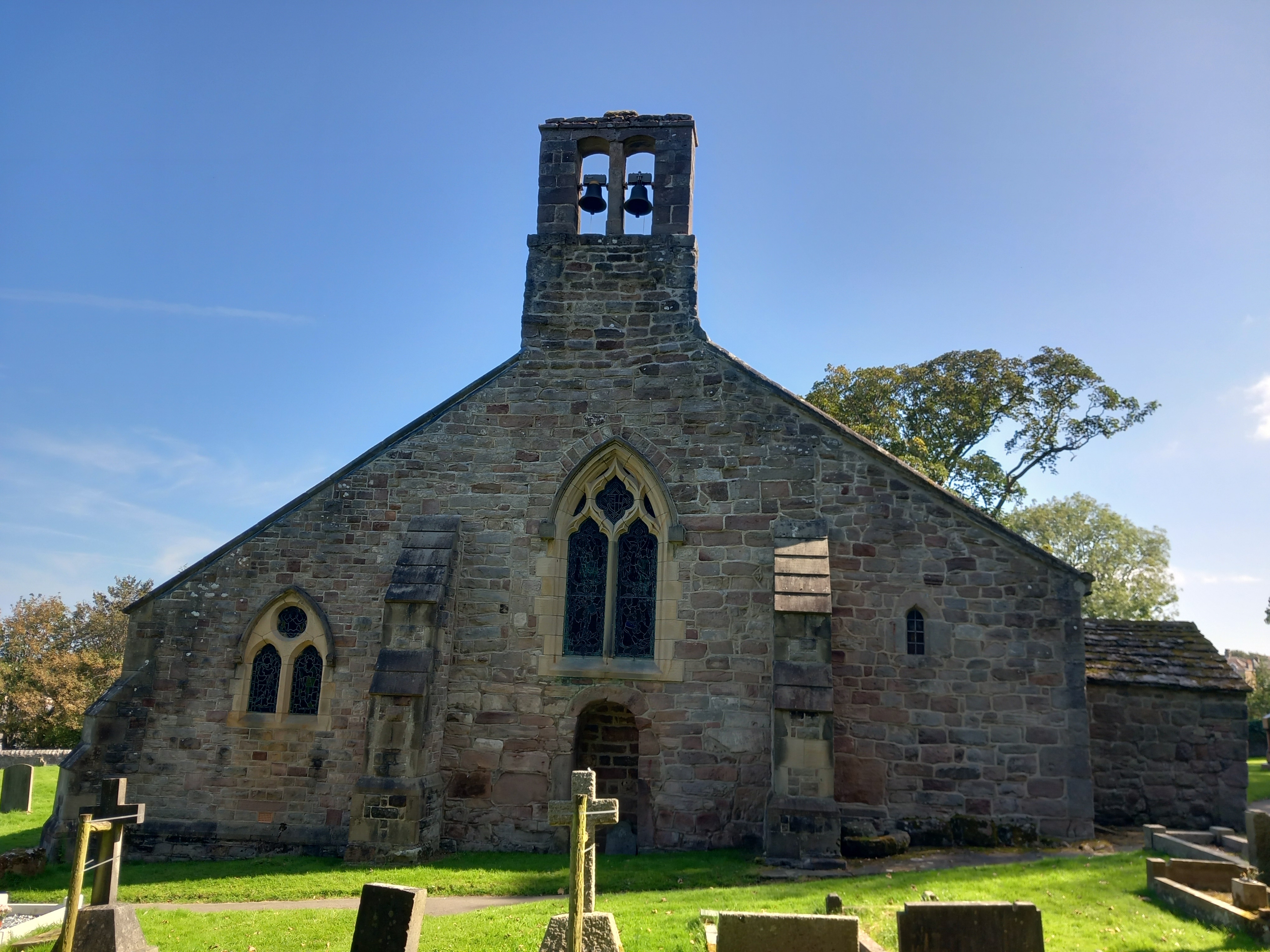
The dating evidence of St Peter’s comes from two Saxon doorways. One is located on the west wall, and is blocked up. A second is free-standing in the churchyard, but was originally on the north wall of the church. This one closely resembles the design of the one at St Patrick’s on the headland above, and dates from the 800s. The earliest parts of the nave were built at a similar time, but major reconstruction occurred in the mid-900s. The west wall is mostly Saxon, as is a large part of the wall over the chancel arch, and the end part of the walling above the south nave arcades.
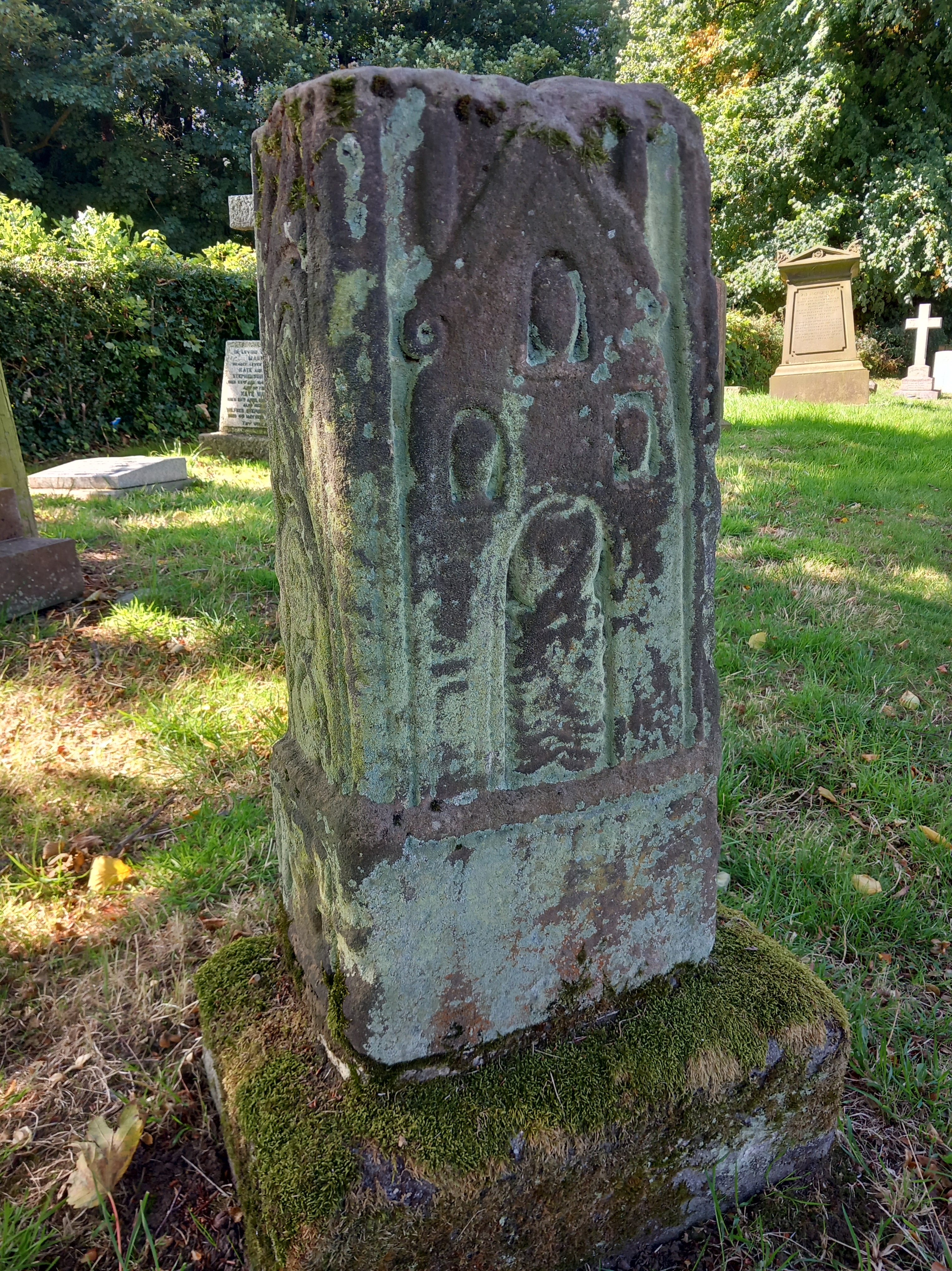
In the churchyard, an Anglo-Saxon carved base of a cross dates from the late 700s to early 800s. On the front side is an enigmatic figure, wrapped in cloth, standing in the central doorway at the front of a building. Three arched windows or niches can be seen, each one displaying a head and neck. It is likely that the figure represents a corpse in a shroud that has been raised from the dead, standing before a mausoleum. The three heads are carved busts. In Saxon times there are similar depictions across the European Christian world, on a range of carved objects in ivory and stone, and also in illuminated manuscripts. The figure often represents Lazarus, who in the gospels is raised from the dead by Jesus. But there is a problem with the Heysham depiction, as Jesus does not appear in the scene. Some have suggested that the figure is Jesus himself, but the lack of halo seems to disprove this, and Jesus is never depicted as a corpse in a death shroud. It is most likely a general depiction of the Christian belief that all followers of that faith will one day be resurrected from their tombs.
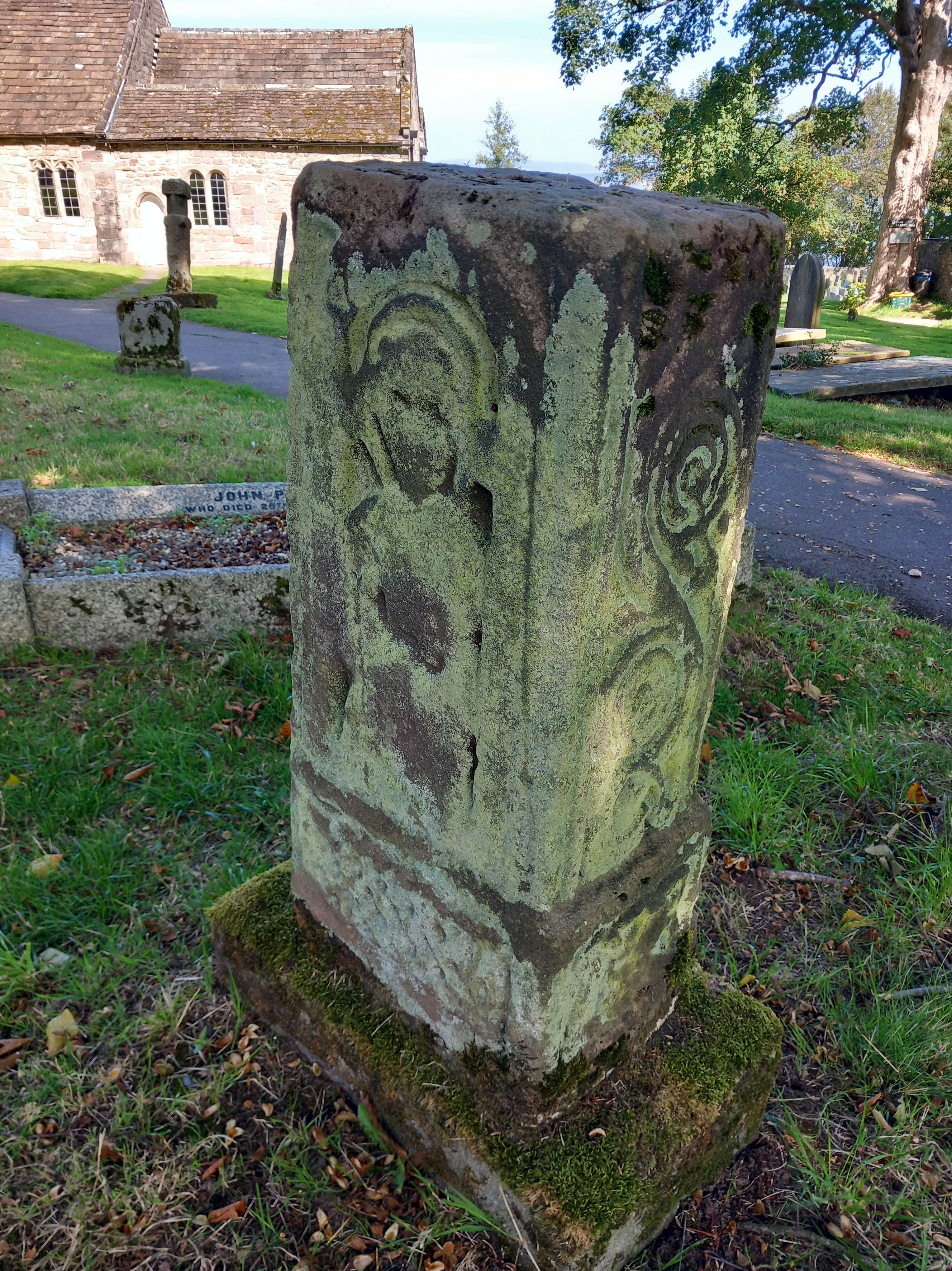
On the opposite side of the cross base is a seated figure with a halo, who seems to be holding a book. This could be a saint, but is more likely to be Jesus, raising one hand up to give a blessing, or perhaps sitting in judgement in heaven. The two sides show scrolled vine plants.
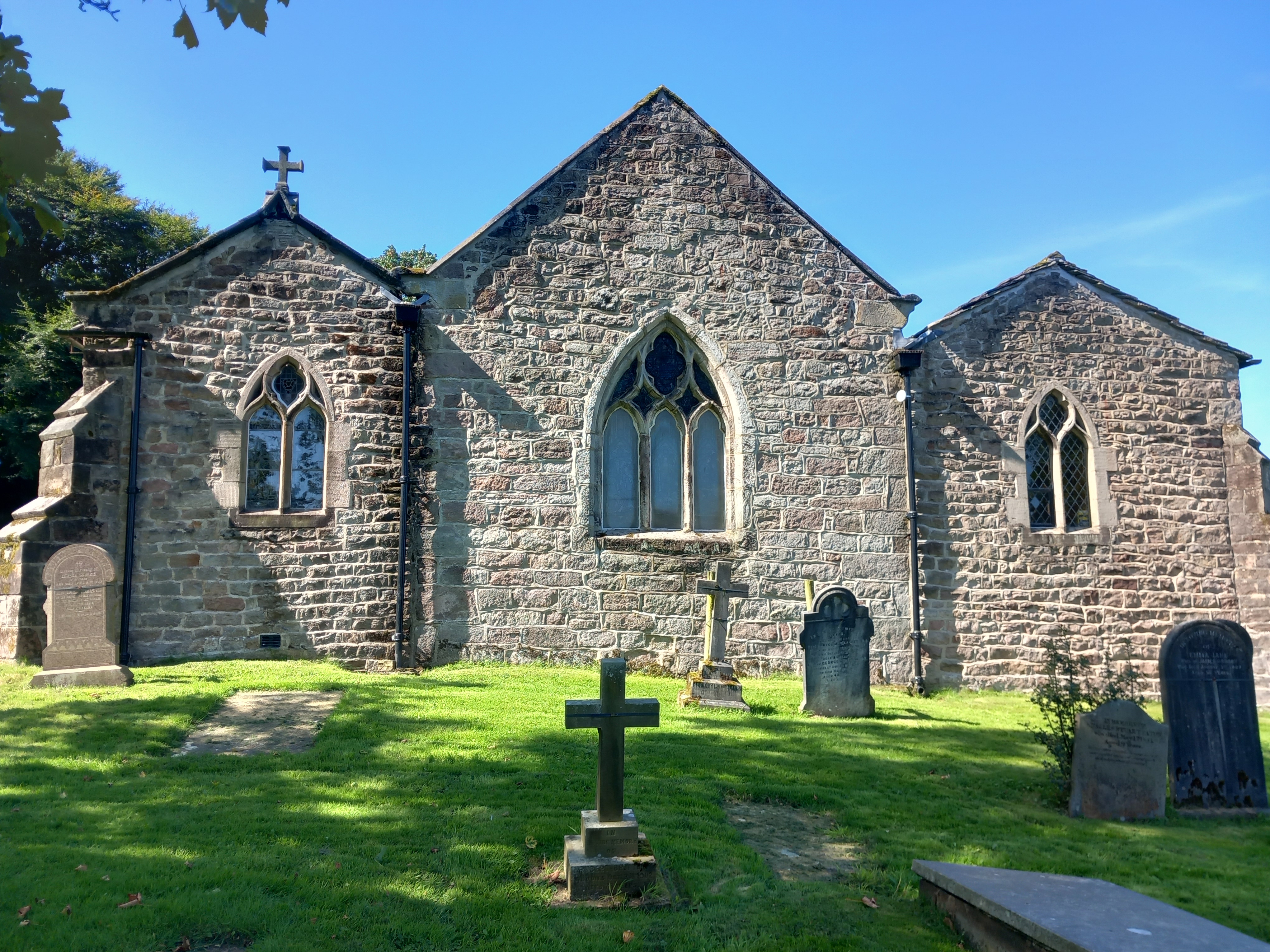
In Norman times, the church came under the ownership of Roger of Poitou, a Norman knight in charge of most of Lancashire. He set up a priory at Lancaster which was a daughter monastery to the one at Seez in Normandy. St Peter’s came under this endowment, along with a third of the ploughland in Lower Heysham. However, it was a poor church, valued at only £10 in 1291, further reduced to £5 after Robert the Bruce’s 1322 raid on Lancashire. Its fortunes improved around 1340 when the present chancel was erected, and the windows date from this era. A century later, the south aisle was added, with the gothic arches cutting into the earlier Anglo-Saxon wall.
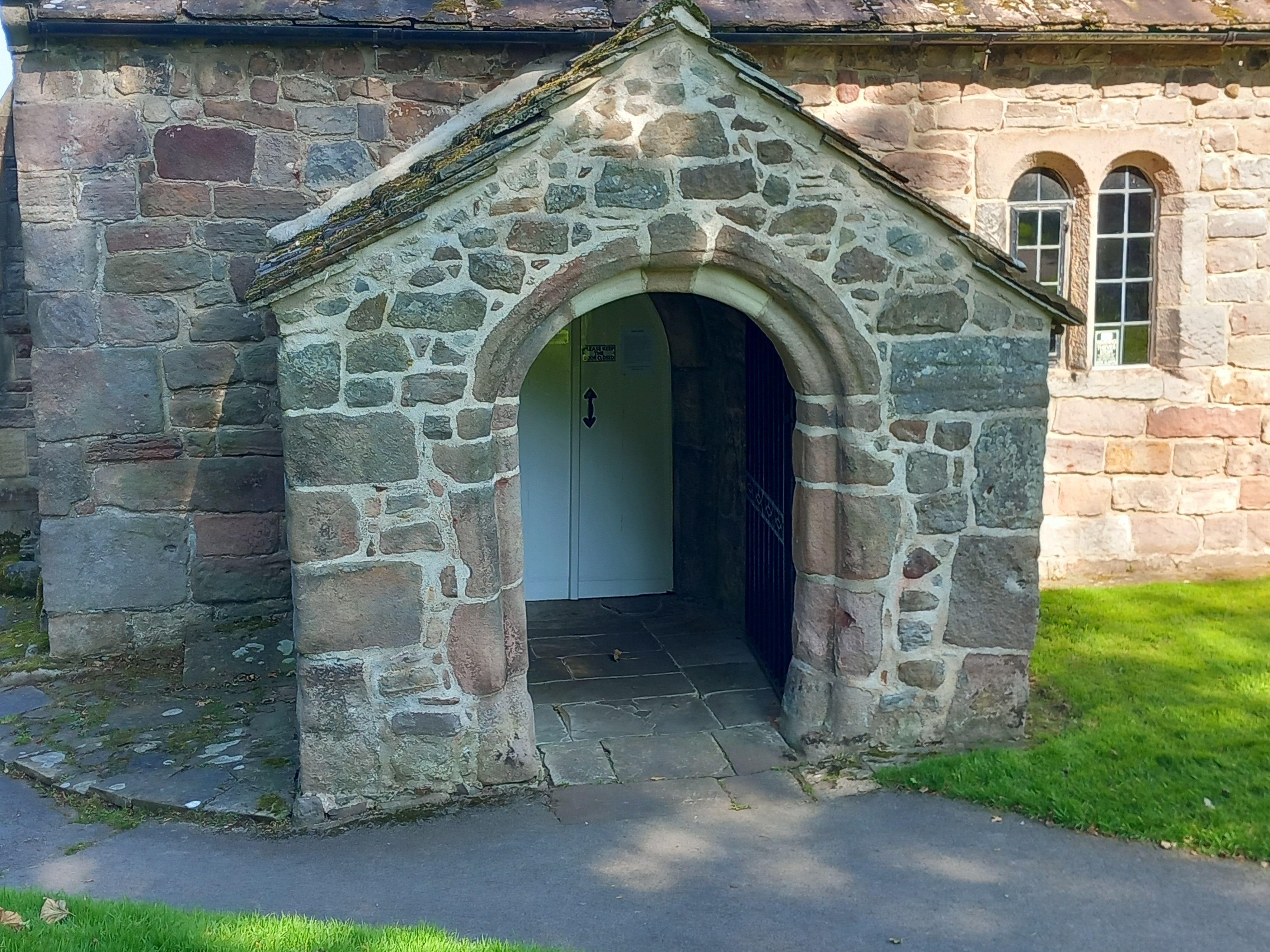
The south porch was constructed in the 1600s. An Anglo-Saxon cross shaft with vine scroll decorations from the 700-800s has been reused as a building block in the porch’s western outer wall. During the next century a bell cote was erected, its bells dated 1723 and 1724.
The celebrated landscape artist J.M.W. Turner visited in 1816, presumably on the recommendation of the then rector, Thomas Dunham Whitaker. Turner made sketches of the area and painted Heysham and Cumberland mountains in his studio two years later. The painting clearly shows the ruin of St Patrick’s and the bell tower of St Peter’s (see it here). Whitaker was largely an absentee rector, as he was also perpetual curate at Holme-in-Cliviger and the vicar of Whalley. He was a prolific author, and enlisted Turner to illustrate his History of Richmondshire, published in 1823. The book focused on the old Yorkshire county of Richmondshire, but also extended its survey into Lancashire, an area that the antiquarian Whitaker knew very well.
During major restoration work in the Victorian era, the north wall was removed in order to widen the church by adding a north aisle. Part of the north wall would have been of Saxon origin, and it was on its removal that the Saxon doorway which now stands in the churchyard was discovered. The rector of the time, John Royds, had it rebuilt there, stone for stone. During this major overhaul of the church’s interior, two galleries with private family pews were removed and the interior walls whitewashed.
As part of the 1977 excavation at St Patrick’s on the nearby headland, the archaeologists wanted to dig under the foundations of St Peter’s tower. However, the Parochial Church Council had other ideas and did not want them dug, as any bodies buried beneath would be disturbed. Instead a detailed study of the church was carried out and new ground plan showing the different architectural dates was made.
In 2017, a community research group tried to find more graves buried underneath the south part of the churchyard of St Peter’s. They used ground-penetrating radar, a non-invasive, no-dig method. Twenty-three possible Medieval stone grave slabs were identified, but no more of the rare rock-cut graves like those at St Patrick’s were found.
Visiting the Church Today
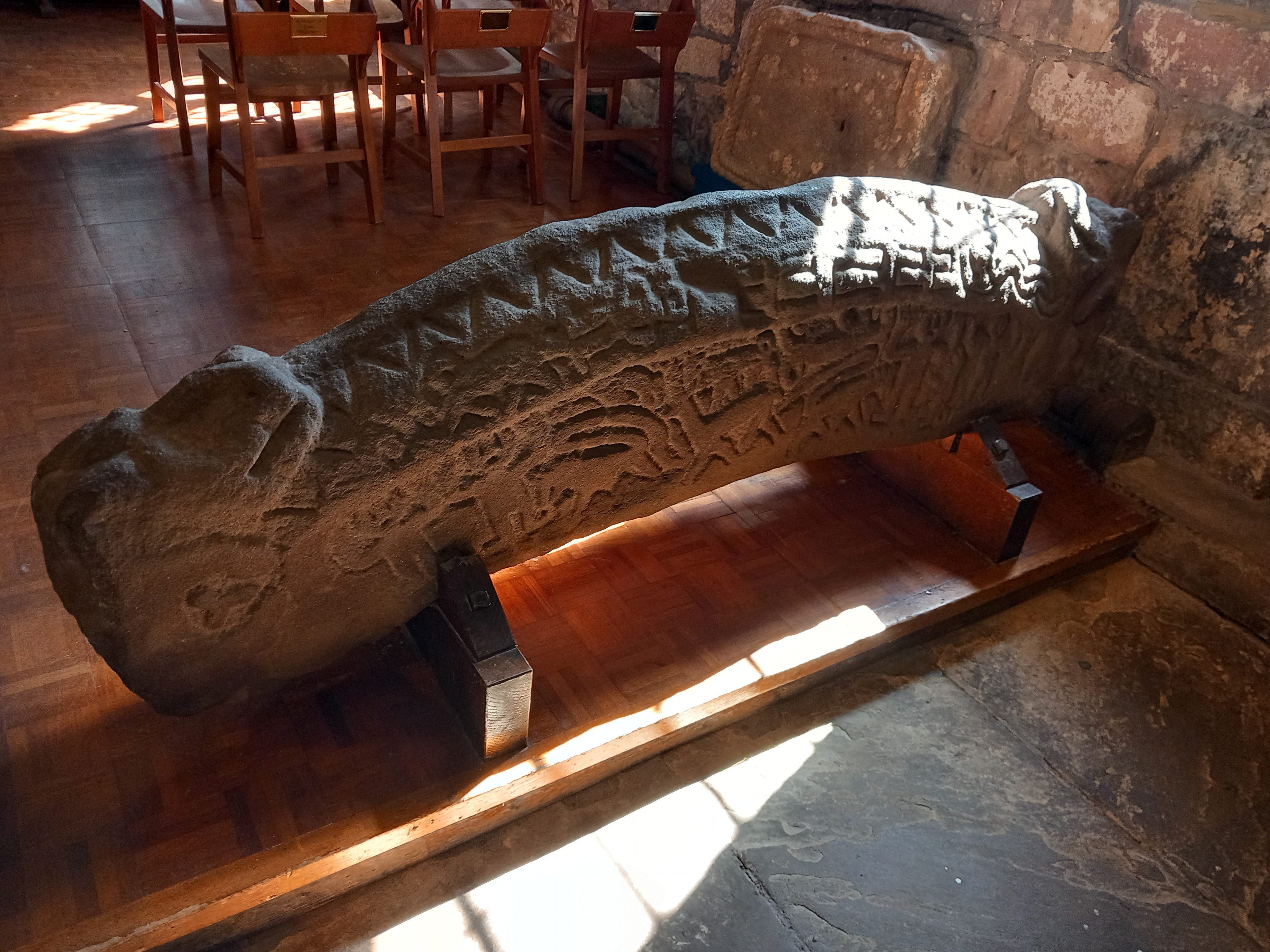
Inside the church are a wealth of historical artefacts, from the Saxon period onwards. Perhaps the most important historical remnant, certainly in terms of rarity, is the Viking Age hogback carved stone monument. Discovered in the churchyard, this was moved into the church in the 1960s to prevent it from further weathering. For its full fascinating history, see our page here.
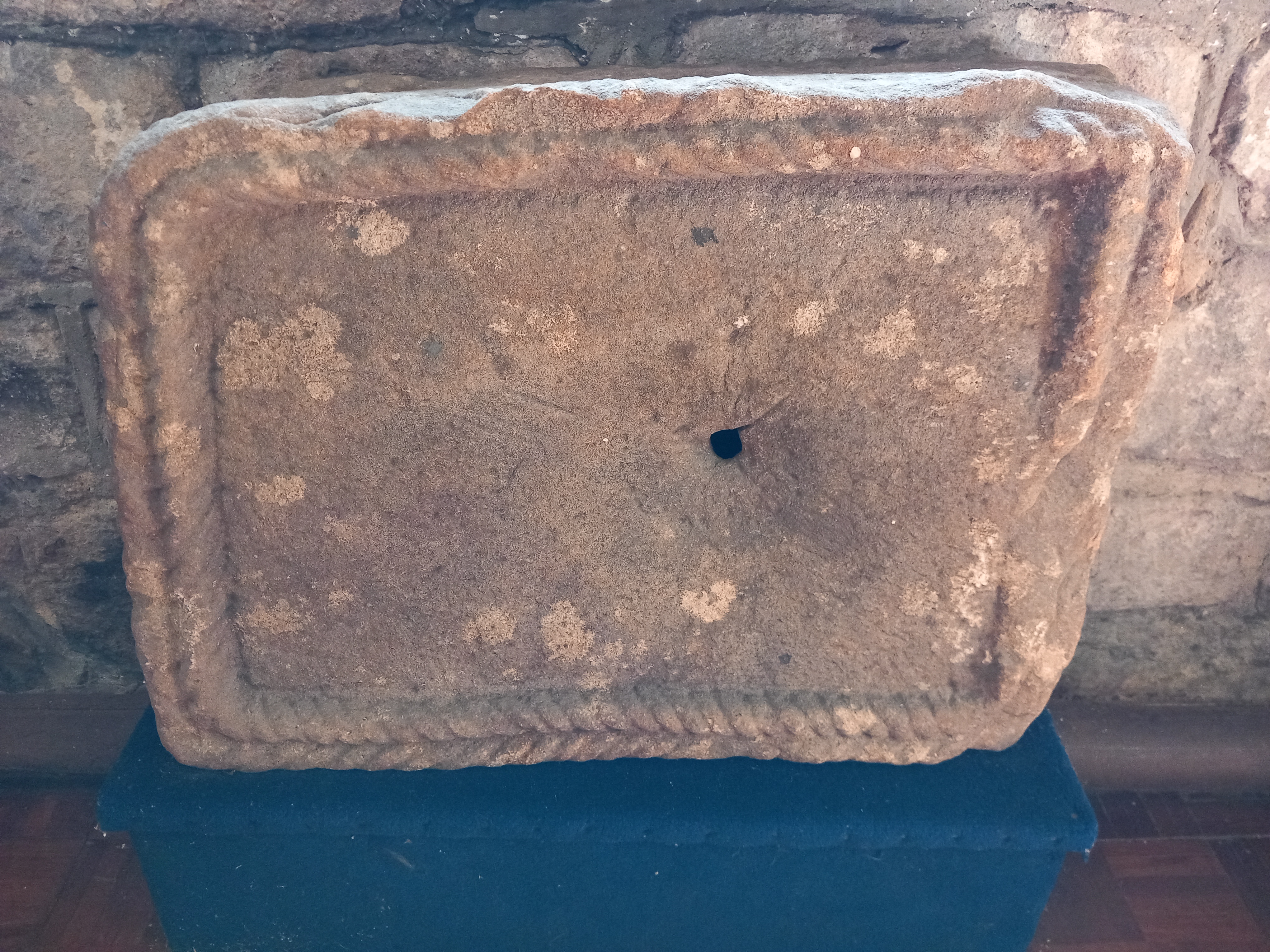
A mysterious piece of carved stone is located near the hogback, found in the 1902 renovations. This has been described as a ‘plinth’, with a double cable moulding around the edge. In the middle of it is a small round hole, surrounded by a narrow depression. The hole goes all the way through the piece of stone, and is slightly off centre. Various ideas have been put forward for what it is: the base of an Anglo-Saxon cross, a support for a column or lamp, or a stoup (a basin for holy water near a door of a church for their fingers in before crossing themselves). The offset hole has been used to speculate it has been reused from its original purpose, possibly as a ritual footbath – similar to one found on the Scottish isle of Iona.
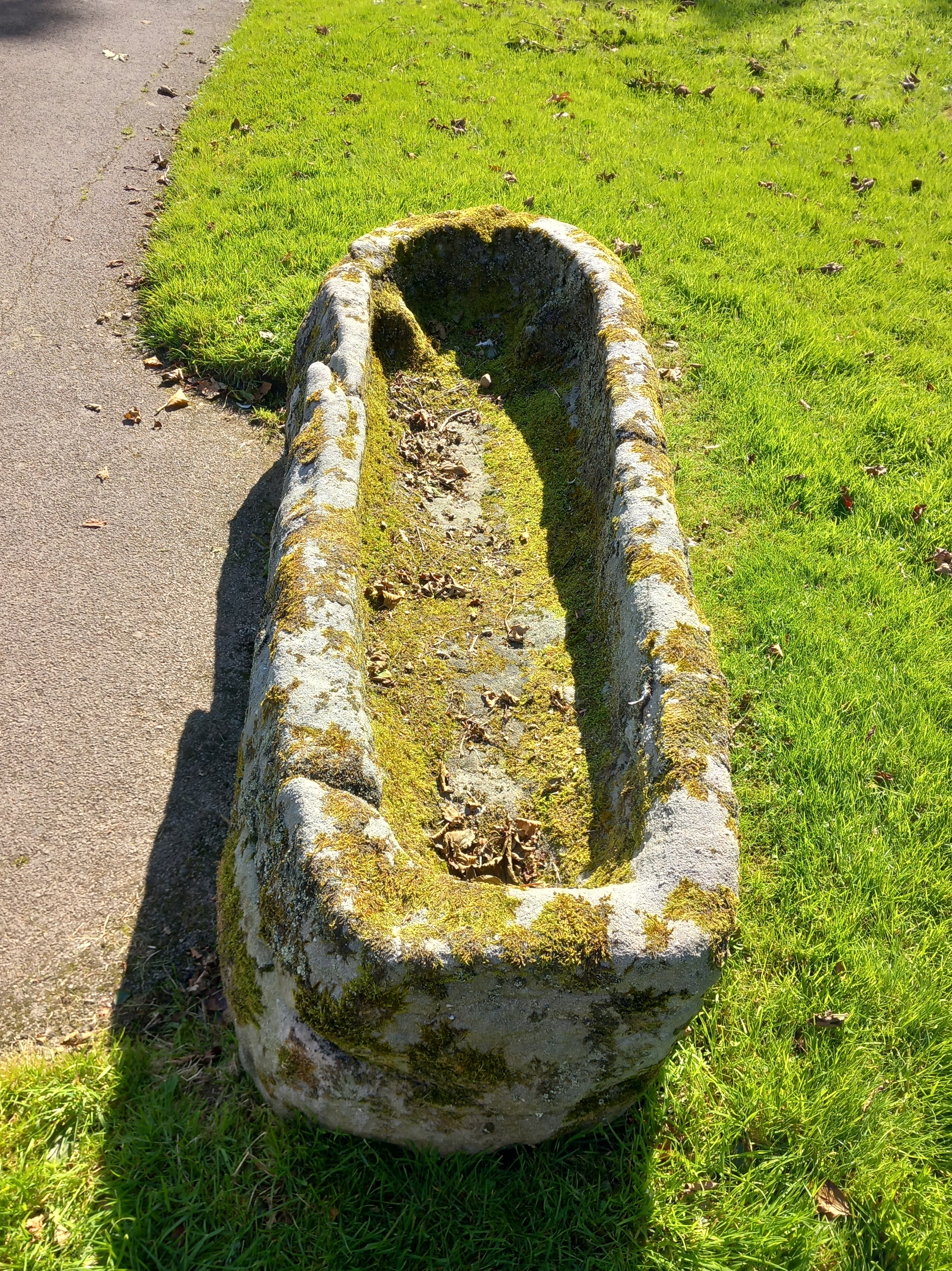
The octagonal font dates from the 1400s. Made from red sandstone, its cover was constructed by a curate in Victorian times. The Medieval Chancel screen is thought to have come from Cockersand Abbey, but there is no documentary evidence to confirm this. An intriguing discovery was a Medieval burial, probably of a former rector, under the south window of the chancel during the Victorian restoration. His stone coffin now lies by the path in the churchyard, and the small lead chalice that had rested on his chest is now displayed in a small niche inside the church in the north-east wall. The bones were kept in a box in Reverend John Royds’ study for years, but after his own death they were reburied under the floor next to the chalice.
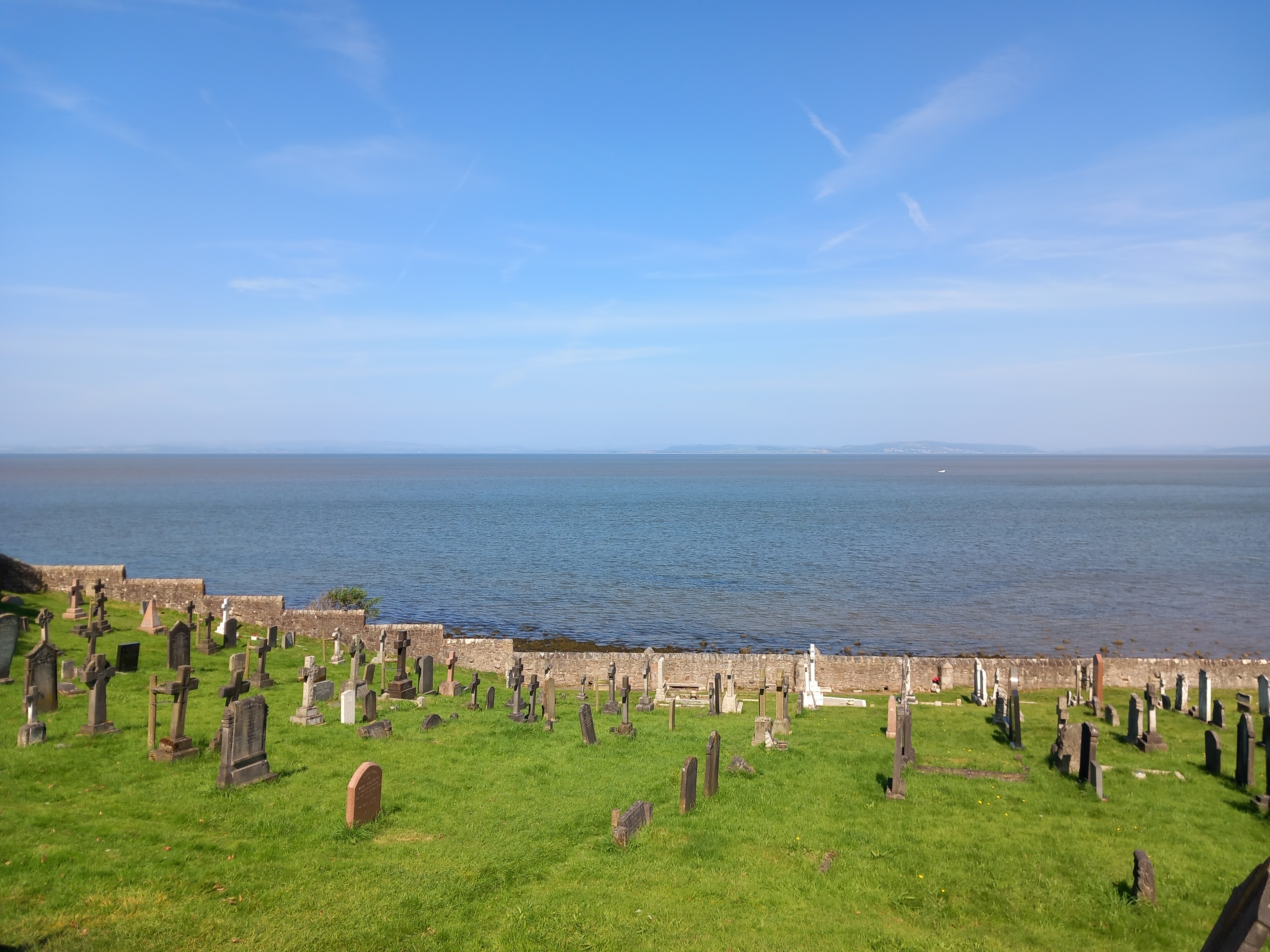
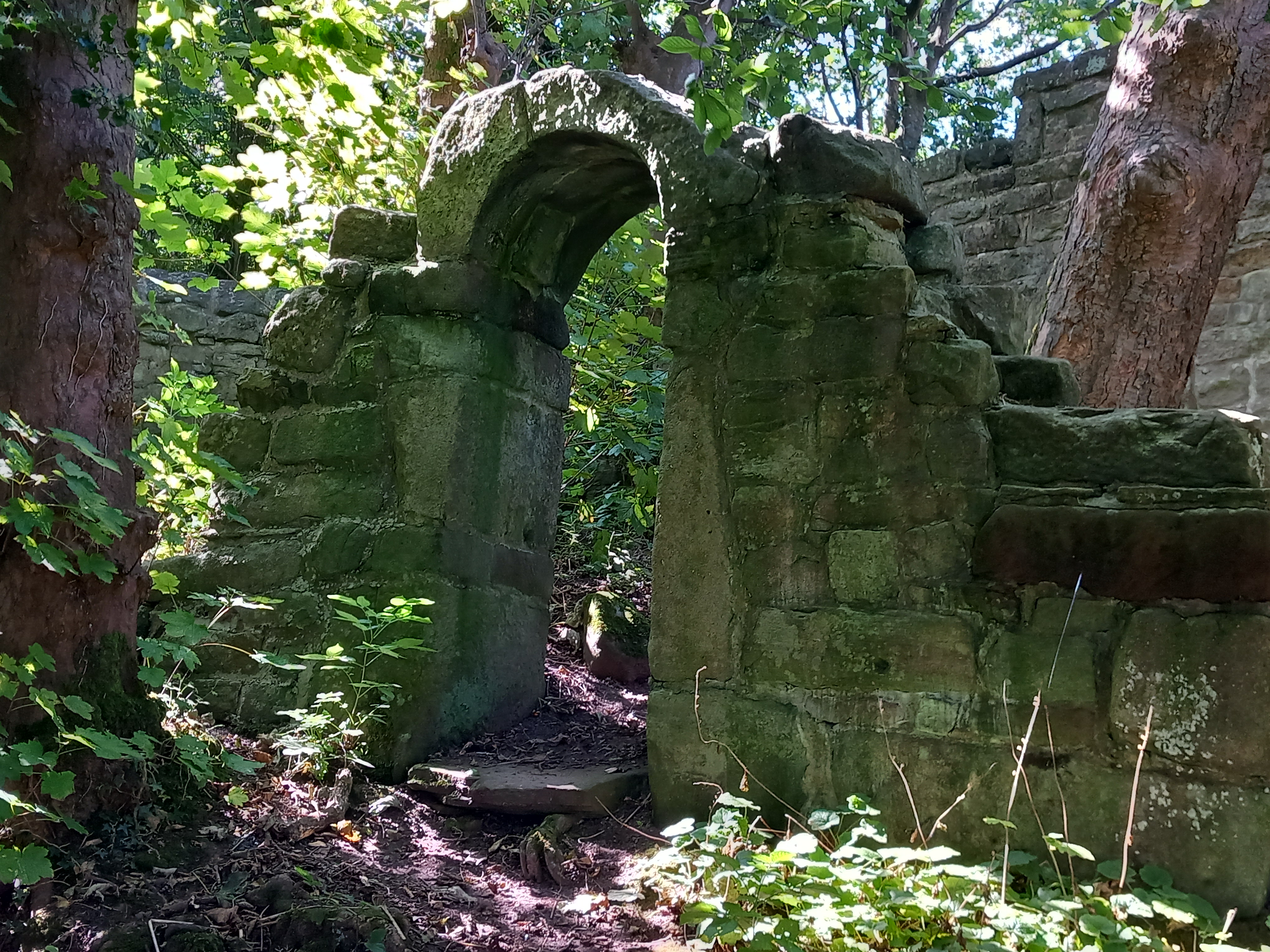
Visitors can pass through the re-erected Saxon doorway in the churchyard to see the chapel of St Patrick’s up on the headland. There are some interesting ruined structures on the route up, possibly recently renovated, and some very worn stone steps. St Patrick’s is contemporary to St Peter’s, but why there should be two churches so close together is not clear. It may be that St Patrick’s was constructed specifically for visitors to the rock-graves that lie beside it. It is probable that the churches were placed on this part of the coastline as it affords dramatic, inspiring views. Although St Patrick’s went out of use in Medieval times and became a ruin, St Peter’s has continued as a place of worship right up to the present day. For anyone who is interested in history, they both remain fascinating and inspiring places to visit.
Site visited by A. and S. Bowden 2024. This page written 2025.
Access
St Peter’s Church is normally open Tuesday, Wednesday, Thursday and Saturday 11.00 am – 3.00 pm. Check their website to confirm the opening hours here
There is a large car park at the bottom of Heysham Village. Head up the main street to see the church.
Nearby
Heysham Hogback (inside the church)
Rock-Cut Graves and St Patrick’s Chapel
A Drive Away
Bolton-le-Sands Viking Age Stones
Holy Trinity Church Bolton-le-Sands
Bolton-le-Sands Free Grammar School
References
Excavation and survey at St Patrick’s Chapel and St Peter’s Church, Heysham, Lancashire, T.W. Potter and R.D. Andrews. Available as a free pdf at lahs.archaeologyuk.org/Contrebis/21_29_Potter.pdf
A Brief Guide to St Peter’s Church Heysham, Richard Martin (2016). Available from the church
Corpus of Anglo-Saxon Stone Sculpture, Volume IX, Cheshire and Lancashire, Richard N. Bailey (2011) OUP Oxford. This fantastic publication can be viewed online for free here
St Peter’s Church Heysham Geophysical Survey (2017) Report 4407 CITiZAN Archaeological Services Durham University. Available online as free pdf.
A Plan of St Peter’s Church, A. White (2010-2011) Contrebis 33. Available for free online as a pdf.
Heysham: Two Ancient Churches and a Burial Ground, A.J. White (2003) Lancaster City & Museums
britishmuseum.org/collection/object/P_1910-0212-274
 Lancashire Past
Comments are closed.