Sudley House dates from 1821 and was originally the home of merchant Nicholas Robinson. He commissioned architect John Whiteside Carson to build the house on land purchased from the Tarleton family estate. Robinson made his money importing ivory, produced as part of the slave trade of the time. Such an association was no bar for political office and he became mayor of Liverpool in 1828.
After his death, the house went to his unmarried daughters – Cicely and Ellen. By 1880, they had both passed away and their brother Charles inherited. He preferred to live in his home in Shropshire and so, two years later, sold the house to wealthy merchant George Holt. He moved in with wife Elizabeth and daughter Emma, then aged 21, who would remain at the home for the next sixty years. It was George who was responsible for the added extensions and the interior styling and artwork which can be seen by visitors today.
George Holt inherited a large amount of money from his father, earned from being a cotton broker, which in his father’s time was a slave industry. George made his own money by founding a shipping line, Lamport & Holt, aged just 21. He also traded foodstuffs, such as frozen meat brought in from Argentina. Holt made a huge amount of money from coffee importation from Brazil, via New York and New Orleans in the years of 1870 to 1880. Slavery was only abolished in 1888 in Brazil, making coffee another slave trade product. Holt’s considerable wealth meant that he was able to spend lavishly on Sudley House.
He started his art collection in the 1860s, and at first bought English Landscapes and Chinese porcelain. When the Holts moved into Sudley House, George became semi-retired and focused on building his art collection. At Sudley, he purchased and displayed pictures by JMW Turner and the Pre-Raphaelite artists Millais, Rossetti, Holman Hunt and Burne-Jones. In his later years, he focused more on portraits, paying large amounts of money to buy paintings by Romney and Gainsborough. It wasn’t just the picture itself that he concentrated on, but he would also take particular care over the frames and glazing of the artwork. Any painting he was dissatisfied with would end up going to an art dealer, to be part-exchanged for something else.
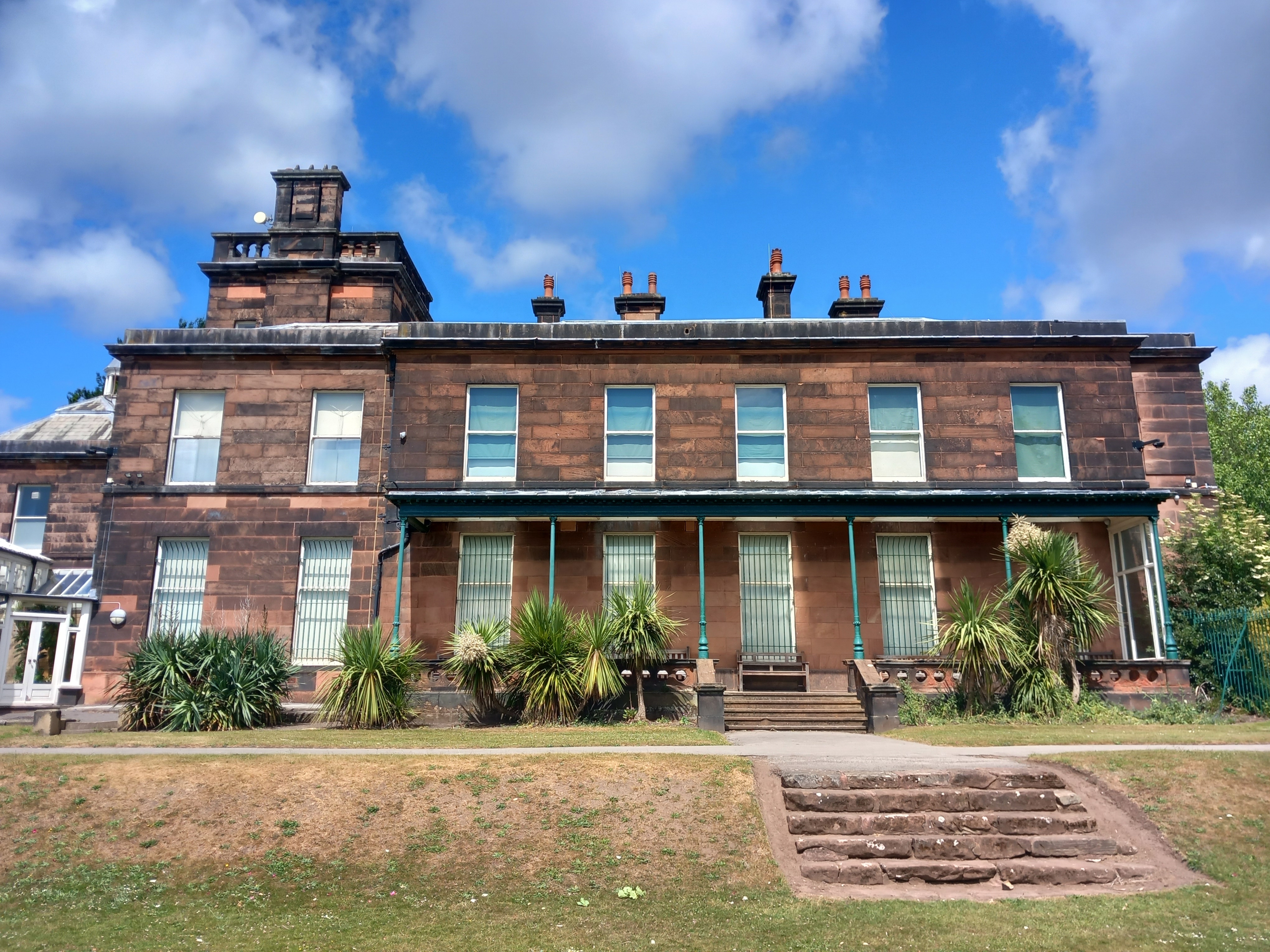
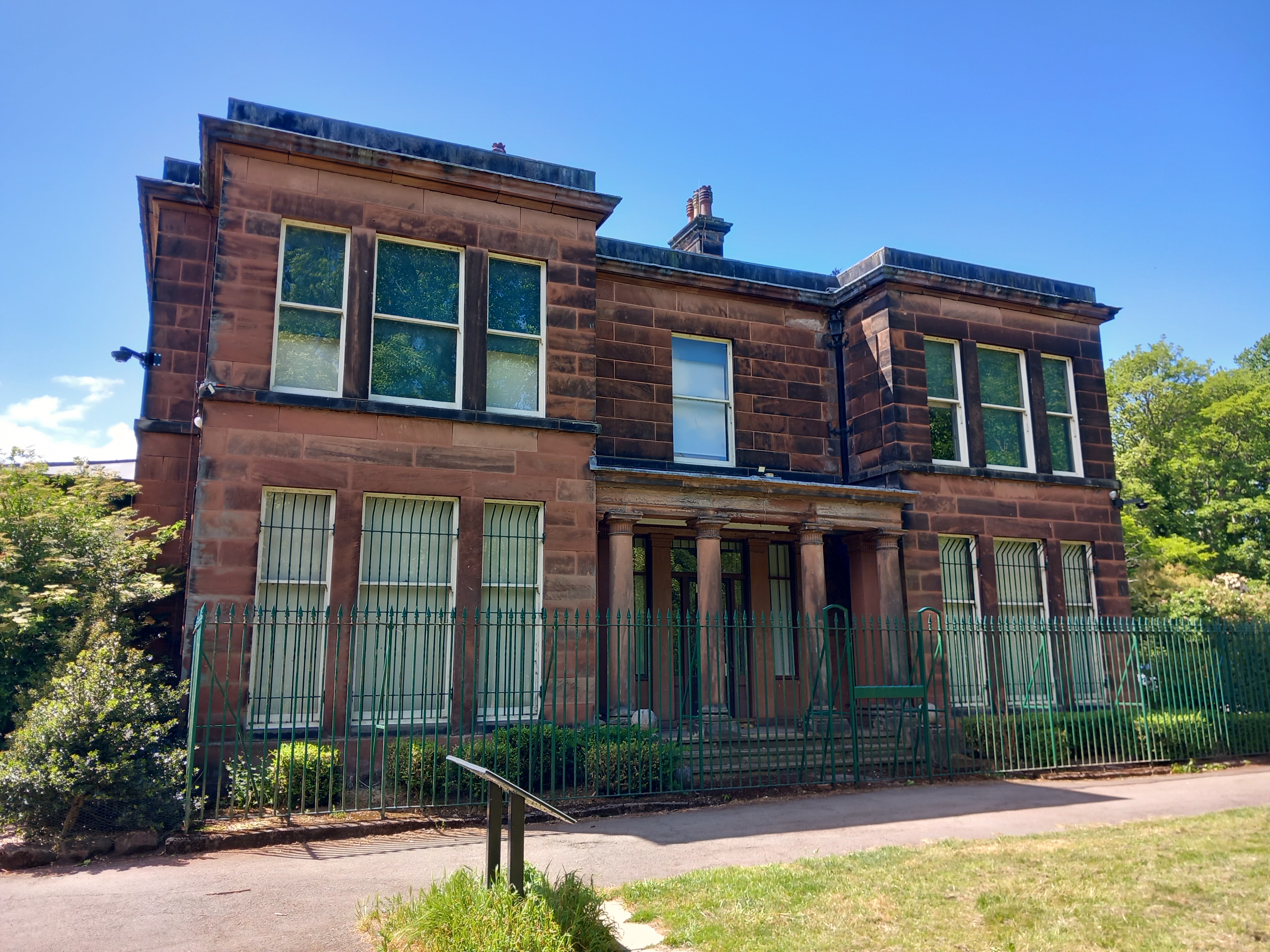
Holt employed architect James Rhind to alter and enlarge Sudley House. This involved moving the front entrance to the east of the building, where it remains today. The former entrance became the Garden Hall, opening out onto the terrace with sweeping views over the landscape. The house was extended to the west, a new tower built on top, and a conservatory added.
Holt’s love of paintings meant he needed to maximise the wall space within, so several windows were blocked off. In the Library and Drawing Room, more light was needed and this was achieved by inserting bay windows. New bookcases, panelling and fireplaces were installed. He was a follower of the Aesthetic Movement, a reaction against mass manufacturing and a promotion of the idea that objects should be beautiful for their own sake. Many of the original details within the building, such as the chimney pieces, fireplace tiles, wallpaper and curtains reflect this taste and can still be seen today.
In 1896, George Holt died but Elizabeth and Emily continued to live on within the home. Elizabeth passed away twenty-four years later, and Emma remained there until 1939. She used the Morning Room as her study. From there, she would work on the administration of Liverpool University, the District Nursing Association and various women’s charities. At the outbreak of the Second World War, Emma moved to her country house in Coniston, and never returned to Sudley, dying six years later.
In her will, Emma left Sudley House, its grounds and her father’s art collection to the people of Liverpool. The Liverpool Corporation turned the house into an art gallery, but regrettably sold off the family furniture. The upstairs rooms were significantly altered, with walls being removed to make them larger in order to create a space for more paintings.
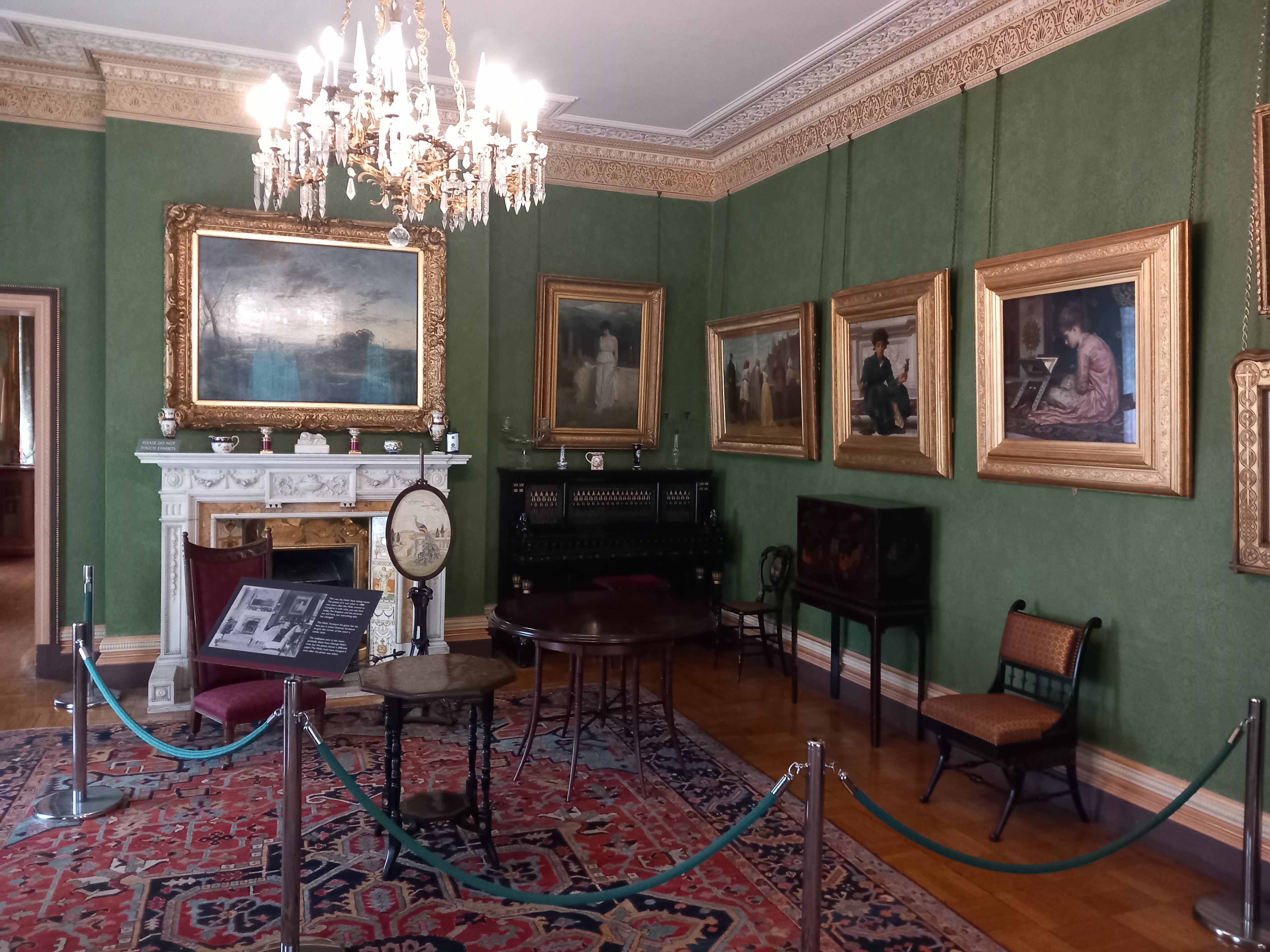
In the 1990s, the National Museums Liverpool began to purchase furniture in keeping with the Aesthetic Movement that George Holt favoured. Many of the rooms feature Holt’s paintings in their original positions, and the collection is unique in being the only intact collection of a merchant family, displayed in its original setting.
Visiting Sudley House Today
There is much to capture the attention of a visitor to the house today, from the original fittings and furnishings to the period furniture and the stunning art collection. All the fireplaces and chimney pieces were commissioned by George Holt and reflect his then contemporary tastes. Cabinet makers J. O’ Neill of Church Street, Liverpool, created the ones in the entrance hall and an upstairs bedroom (now the Large Temporary Exhibition Room). They both feature blue on white tin-glazed Delftware tiles (named after the town that originated the style in Holland). The fireplace in the entrance hall has scenes from everyday life, while the exhibition room depicts Biblical figures. J. O’ Neill also created the chimney piece in the Library, with its marquetry inlay and carved columns. This fireplace is decorated with tiles from the famed Lancaster firm of Shrigley and Hunt and depicts a pair of female figures, representing art and music. Minton, Stoke-on-Trent’s most famous Victorian tile makers, produced the fireplace tiles in the Drawing Room. These feature female figures dressed in a Greek or Roman style. Another giant of the Potteries, Wedgwood, produced the stoneware plaques in the Large Temporary Exhibition Room, again depicting Classical-style female figures. Sunflowers were a common Aesthetic Movement motif, and these are used in the fireplaces of both the Morning Room and the Small Temporary Exhibition Room.
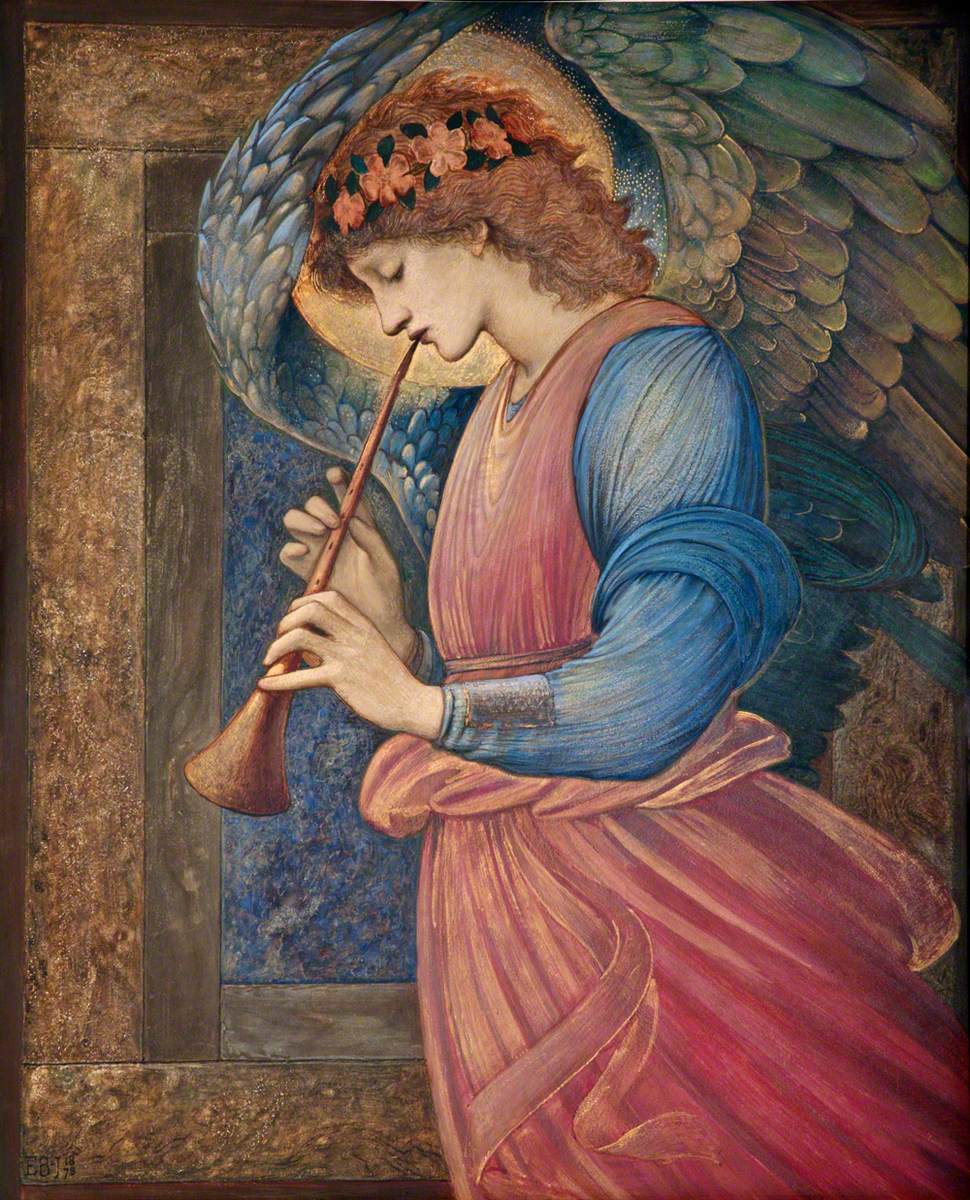
The paintings, many in their original positions, are the real stars of the house, and give a sense of how it would have appeared at the time of the Holts. Just a few are described below, with links to art websites where they can be viewed. The entrance hall features John Everett Millais’ Vanessa, with a model posing as the lover of author Jonathan Swift. Protected by a set of curtains (which can be drawn aside by the visitor) is Edward Burne-Jones’ Angel Playing a Flageolet (pictured above). Clearly a favourite of Burne-Jones, he kept it in his studio for ten years before the dealership of Agnew’s bought it. George Holt immediately purchased it from them. A follower of Burne-Jones was John Melhuish Strudwick, and Holt commissioned pieces by him. Of particular note is the stunning Love’s Palace (see below) in the Drawing Room. Equally striking is Strudwick’s O Swallow, O Swallow in the Garden Hall.

Holt’s devotions to the Pre-Raphaelite Movement can also be seen in his purchase of Dante Gabriel Rossetti’s The Two Mothers, which has an intriguing history. The piece was originally part of a much larger painting, but Rossetti removed the woman from it to form the basis of this piece. He then added the child and the statue of Mary and Jesus. A scene from the Biblical telling of the life of Jesus is portrayed in Burne-Jones’ The Finding of the Saviour in the Temple,
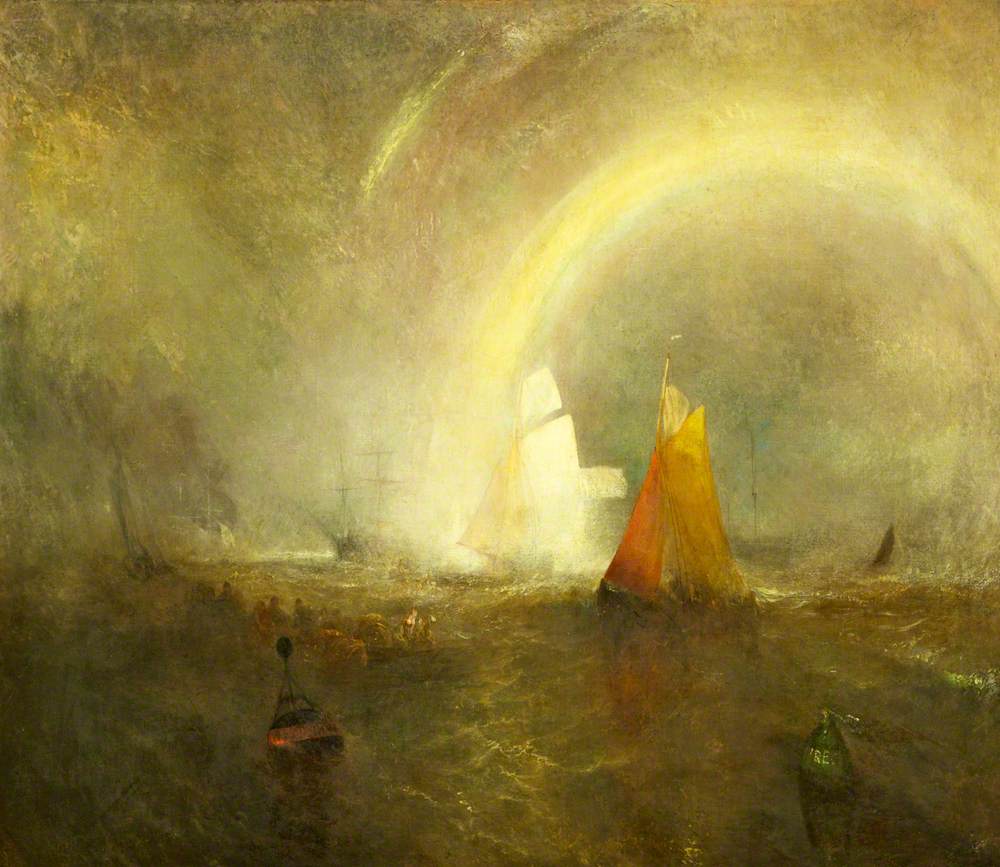
The Dining Room features George Holt’s most expensive painting, Viscountess Folkestone by Thomas Gainsborough. The room also displays Mrs Sargent by George Romney and two JMW Turner pictures. The first is Rosenau Castle in Bavaria, Prince Albert’s family home, which Turner hoped in vain that the royal family would buy. The second, The Wreck Buoy, was described by Victorian art critic John Ruskin as “the last oil painting before his noble hand forgot its cunning”
The Library contains portraits of George, Elizabeth and Emma Holt. The bookcases in this room are an original feature, commissioned from J O’ Neill of Church Street. The books on the shelves were donated by George’s great nephew in 1990. The embossed wallpaper is original, manufactured by William Woollams & Co. in the 1880s. The wool woven curtains are from a similar time, and are typical of the Aesthetic Movement. The Violetta pattern cotton lace curtians behind them are similar to the ones that the Holt’s had, and are used throughout the house. The Library also contains a model of Verdi, a Lamport & Holt ship that was built in Belfast.
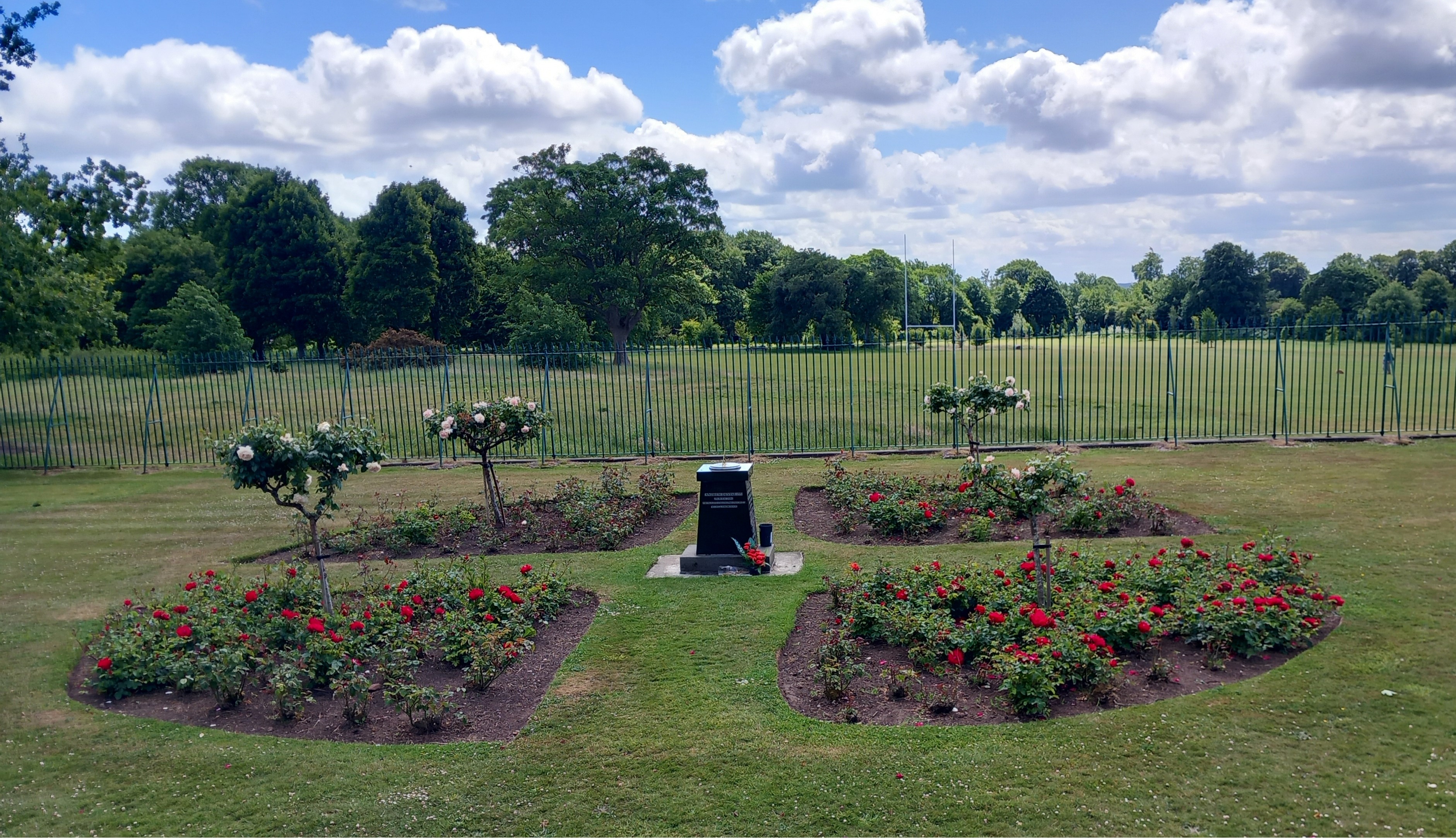
The Conservatory features plants typical of those grown in the Holt’s time. These include palms, ferns, bromeliads, orchids, apricot and citrus trees, and grape vines. When Emma donated Sudley House to the public, its substantial grounds were also included. These now form Sudley Park, which has collections of hawthorn and crab apple trees and the World War I Centenary Wood. More recently, the Hillsborough Memorial Rose Garden has been added just below the terrace of the house.
It is harsh fact that the house itself, its expensive décor and the priceless paintings within were paid for from the profits of slavery. This is true of many of the large buildings in Liverpool and too of Lancaster, another port with very clear links to slave produce. The museum services of both cities do not hide the slavery link, but take time to explain it, as it is integral to understanding the wealth and evolution of both places.
Lancashire’s wealthy merchant class built much of their fortunes on the back of international slavery. At the same time, the mill owners accrued vast wealth through the exploitation of the working people of Lancashire. This emergent middle class spent their money on many fine things for themselves and their families. Sudley House and grounds are both direct creations of the Victorian era. Today, the mansion and the extensive parkland can be experienced by all members of the public, for free.
Site visited by A. and S. Bowden 2025
Access
Sudley House is open Tuesdays through to Sundays (closed on Mondays) 10am – 5pm
The website is here
Nearby
References
Sudley House Website: liverpoolmuseums.org.uk/sudley-house
On site interpretation at Sudley House
liverpoolmuseums.org.uk/artifact/loves-palace
artuk.org/discover/artworks/
 Lancashire Past
Comments are closed.